Drain replacement in New Orleans costs between $500 and $15,000 or more depending on pipe length, material, access difficulty, and repair method. Trenchless replacement typically costs less than traditional excavation when accounting for landscaping restoration. Get a free written estimate before committing to any drain replacement project.
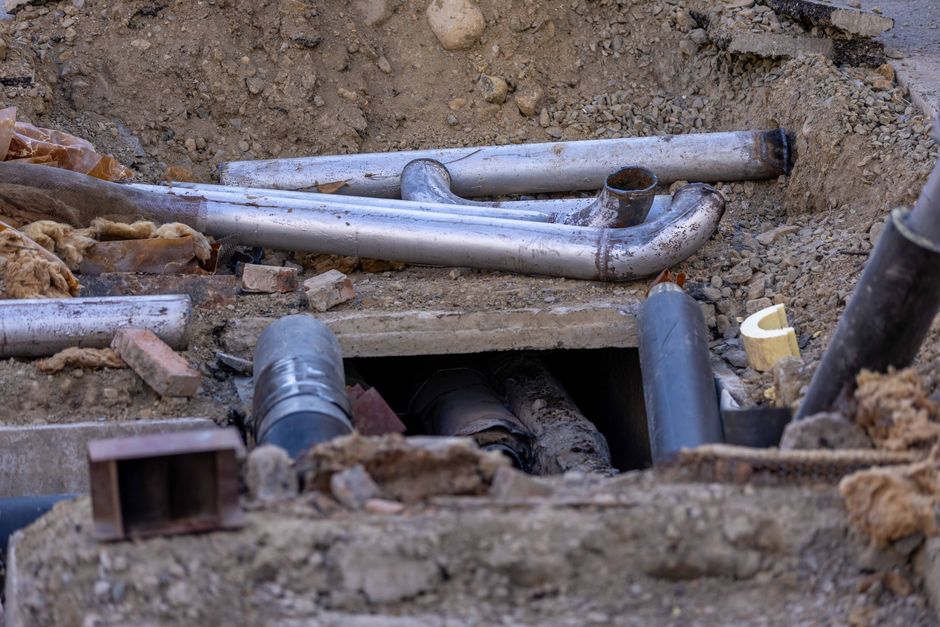
When your drain pipes fail beyond the point of repair, replacement becomes necessary. But how much should you expect to pay? The answer varies more than most homeowners realize, and understanding what drives the cost helps you evaluate quotes and make a smarter decision. TurnKey Drainage serves the entire New Orleans metro area and provides free written estimates on all drain replacement work. This guide breaks down what goes into the cost and what you should know before your project begins.
Average Drain Replacement Costs in New Orleans (2026)
Here are typical price ranges for common drain replacement scenarios in the New Orleans area. These are general ranges; your actual cost depends on specific conditions at your property.
- Single fixture drain line (under slab or crawl space): $500 to $2,500
- Main sewer line replacement (traditional excavation): $3,000 to $10,000 or more depending on length and depth
- Main sewer line replacement (trenchless): $2,500 to $8,000 for most residential runs
- Yard drain or landscape drain replacement: $800 to $4,000 depending on system size
- Full whole-house drain system replacement: $8,000 to $25,000 or more for historic New Orleans homes with extensive cast iron systems
These ranges reflect labor, materials, and basic site restoration. Landscaping repair, concrete replacement, and permit fees are additional costs that vary widely by project. If you are unsure whether repair or replacement is the right call, our guide on drain repair vs. replacement walks through how to decide.
Factors That Affect Drain Replacement Cost
Pipe Length and Diameter
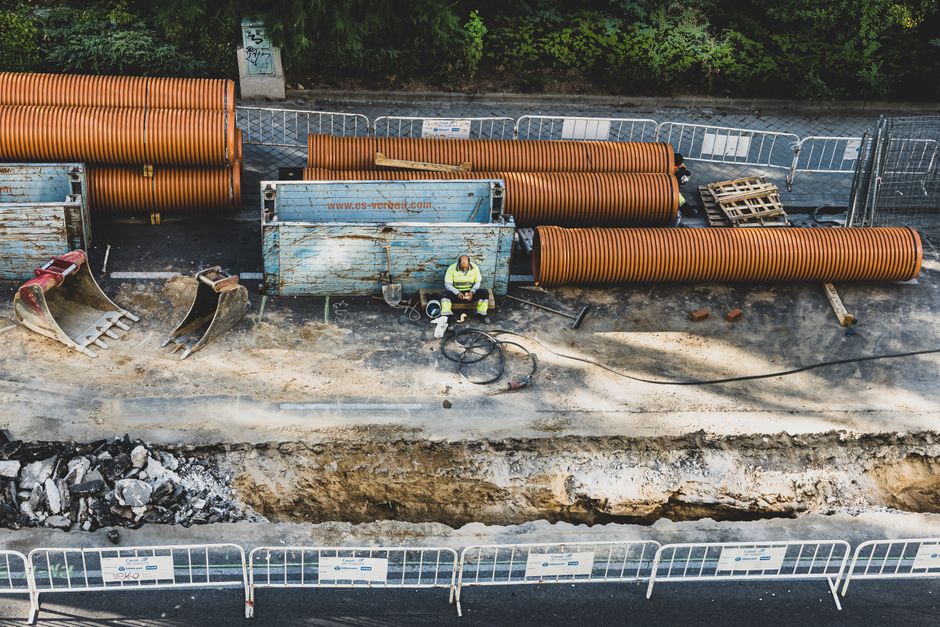
Longer pipe runs cost more simply because they require more material and labor. Larger diameter pipes, such as the 4-inch or 6-inch main sewer line, cost more per foot than smaller 1.5-inch or 2-inch fixture drain lines. In New Orleans historic neighborhoods, properties often sit on narrow lots with complex pipe routing that increases total footage.
Pipe Depth and Access
Pipes buried deeper require more excavation. In New Orleans, main sewer lines are typically 4 to 8 feet deep. Properties with slab foundations require breaking through concrete to access under-slab pipes, which adds significantly to the cost. Pier-and-beam homes generally offer easier access through the crawl space, reducing labor hours.
Pipe Material Being Replaced
Cast iron, clay, and Orangeburg pipe are the most common materials in New Orleans older homes. Each presents different removal challenges. Cast iron is heavy and labor-intensive to cut and remove. Clay pipes are brittle and break during excavation. Orangeburg pipe often collapses during removal. The difficulty of removing the existing material affects the labor cost.
Replacement Method: Trenchless vs. Traditional
Trenchless drain replacement methods, including pipe bursting and pipe relining, typically cost more per linear foot for the pipe work itself compared to open-cut excavation. However, traditional excavation requires restoring everything disturbed during the dig: concrete driveways, sidewalks, landscaping, fencing, and sometimes interior flooring. When you factor in full restoration costs, trenchless replacement is often less expensive overall and completed faster. Our detailed guide on trenchless drain replacement explains both methods in depth.
Permits and Inspections
Drain replacement projects in New Orleans typically require permits through the city or parish. Permit fees vary by project scope and jurisdiction. TurnKey Drainage handles all permitting as part of our service. Never hire a contractor who suggests skipping the permit to reduce cost. Unpermitted work creates liability issues and may require removal if discovered during a property sale.
Why New Orleans Drain Replacement Is Sometimes More Complex
Several factors specific to the New Orleans environment can complicate drain replacement projects and affect pricing:
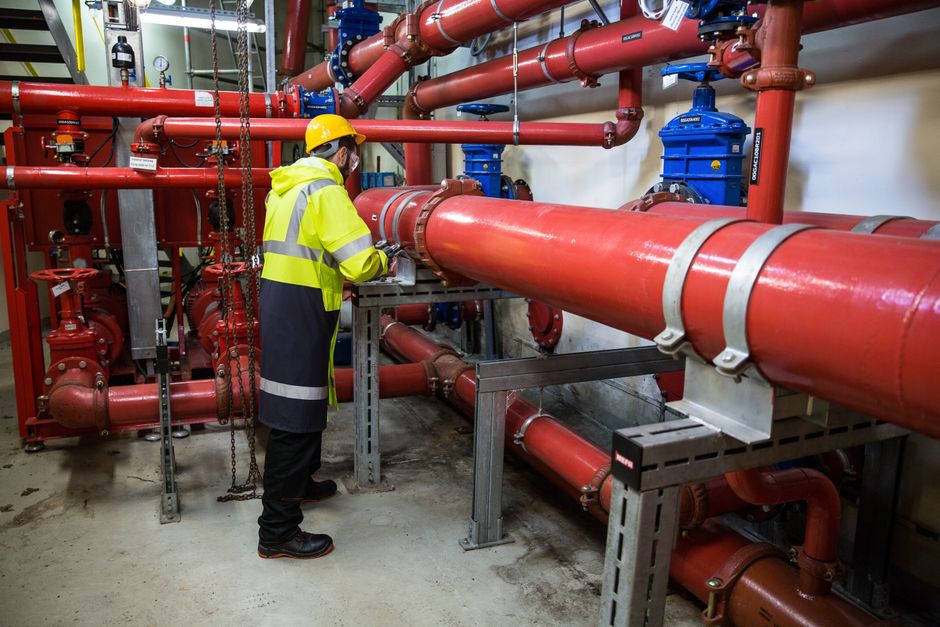
The high water table in many neighborhoods means trenches fill with water during excavation, requiring constant pumping. Soft alluvial soil can shift and collapse into an open trench more readily than the firmer soil in other regions. Underground utilities are often older and less precisely mapped, requiring careful hand-digging near gas, electrical, and water lines. Historic properties may have multiple layers of pipe from different eras, all requiring removal before new pipe can be installed.
These complexities are why choosing an experienced local contractor matters. A company that knows New Orleans soil conditions, local permit requirements, and the common pipe systems in each era of construction will complete your project more efficiently than a general contractor working in unfamiliar territory. Problems like cracked or collapsed drain pipes are extremely common in this area, and experienced hands make a significant differe