Our Company Provide Service And Best Maintenance.
Our Company Provide Service And Best Maintenance.
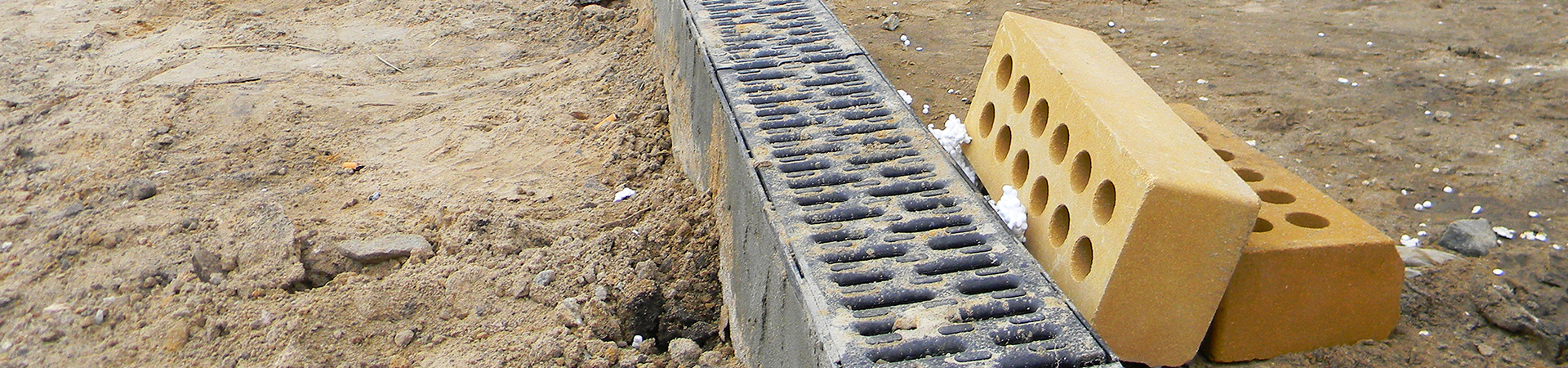
Trenchless drain replacement replaces underground pipes with minimal excavation, preserving your landscaping, driveway, and hardscape while delivering new pipe performance. Two main methods, pipe bursting and pipe relining, suit different damage scenarios. Both are faster than traditional excavation and often cost less when restoration costs are factored in.
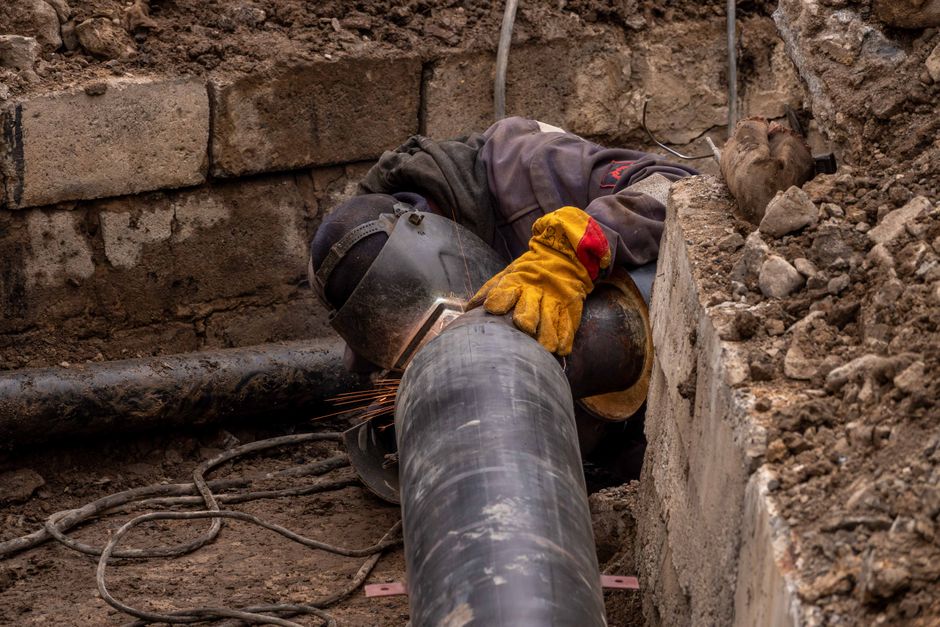
When a drain pipe fails in New Orleans, traditional replacement means digging up your yard, breaking through your driveway, and restoring everything disturbed afterward. It is disruptive, time-consuming, and expensive when you add the restoration costs to the pipe work itself. Trenchless drain replacement changes that equation significantly. TurnKey Drainage uses trenchless methods throughout the New Orleans metro area to replace failing pipes with minimal disruption to your property. Here is how the technology works and whether it is the right solution for your situation.
Cured-in-place pipe, or CIPP, is the most widely used trenchless method for residential drain pipes. The process begins with a camera inspection to assess the existing pipe condition. Once the pipe is confirmed suitable for relining, it is thoroughly cleaned with hydro jetting to remove all buildup, debris, and root material from the interior surfaces.
A flexible felt liner saturated with epoxy resin is then inserted into the pipe, either pulled through from an access pit at one end or inverted using air pressure. Once positioned, the liner is inflated with air or water pressure so it presses tightly against the inside of the existing pipe wall. The resin cures to a hard, smooth surface, creating a new pipe inside the old one. When curing is complete, the ends are trimmed, the inflation bladder is removed, and a final camera inspection confirms the installation.
The result is a jointless, seamless pipe with improved flow characteristics compared to the original. The smooth interior surface resists buildup better than corroded cast iron or rough clay, and because it has no joints, it provides no entry points for tree roots. CIPP liners typically carry 10-year or longer material warranties and have demonstrated 50-year or longer operational lifespans in field installations.
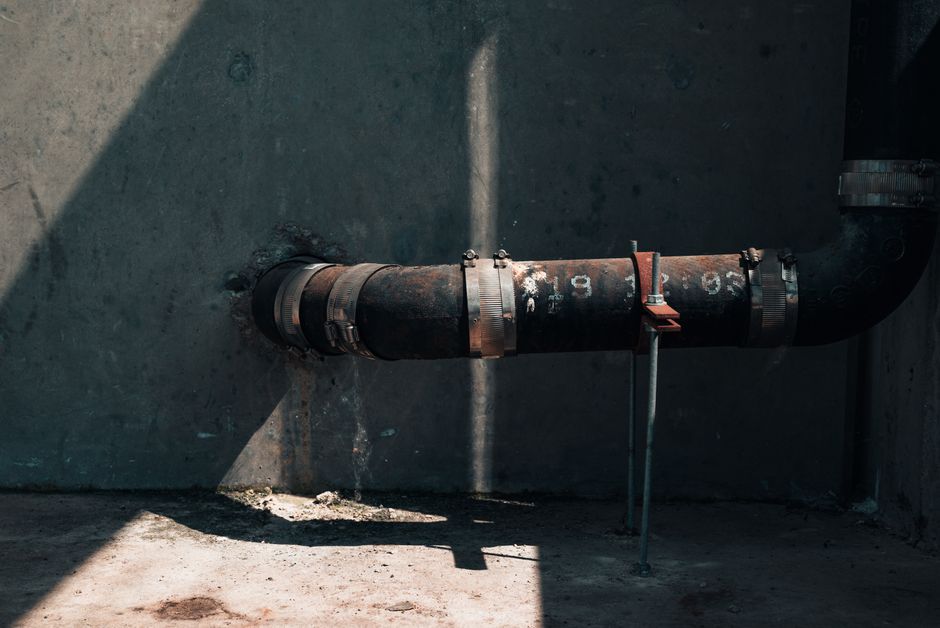
Pipe bursting is used when the existing pipe cannot host a liner: when it is too deteriorated, has collapsed sections, or the installer wants to replace the pipe with a larger diameter. In pipe bursting, a cone-shaped bursting head slightly larger than the existing pipe is pulled through the old pipe by a cable or hydraulic rod. As the bursting head moves through, it fractures the old pipe outward into the surrounding soil.
Attached directly behind the bursting head is the new pipe, typically HDPE (high-density polyethylene), which is pulled into place as the old pipe is destroyed. Access pits are required at both ends of the pipe section being replaced. The new HDPE pipe is fused with heat at joints to create a seamless, watertight connection that matches or exceeds the strength of the surrounding soil. Pipe bursting can also upsize the pipe, replacing a 4-inch line with a 6-inch line for improved capacity when needed.
The choice between relining and bursting depends on the condition of your existing pipe and your goals for the replacement. A camera inspection provides the information needed to make this determination accurately.
New Orleans residential drain systems present some of the best candidates for trenchless replacement in the country. The combination of aging pipe materials, tree root issues, and soft soil that makes traditional excavation particularly messy and expensive makes trenchless methods especially valuable here.
Orangeburg pipe, common in homes built between the 1940s and 1970s, is notorious for collapsing and deforming in New Orleans wet soil. These pipes are strong candidates for pipe bursting because they are too deteriorated to support a liner in most cases. Cast iron pipes with widespread corrosion and joint separation benefit from relining when the pipe wall still has adequate thickness to serve as a host structure. Clay pipe with root intrusion and cracked sections can be addressed with relining after thorough root clearing.
For more on the warning signs that indicate your pipes need replacement, see our article on cracked or collapsed drain pipes. For a comparison of repair versus replacement decision factors, our guide on drain repair vs. replacement covers the considerations in detail. And for full pricing information, our comprehensive overview of drain replacement cost in New Orleans breaks down what to expect for different project scopes.
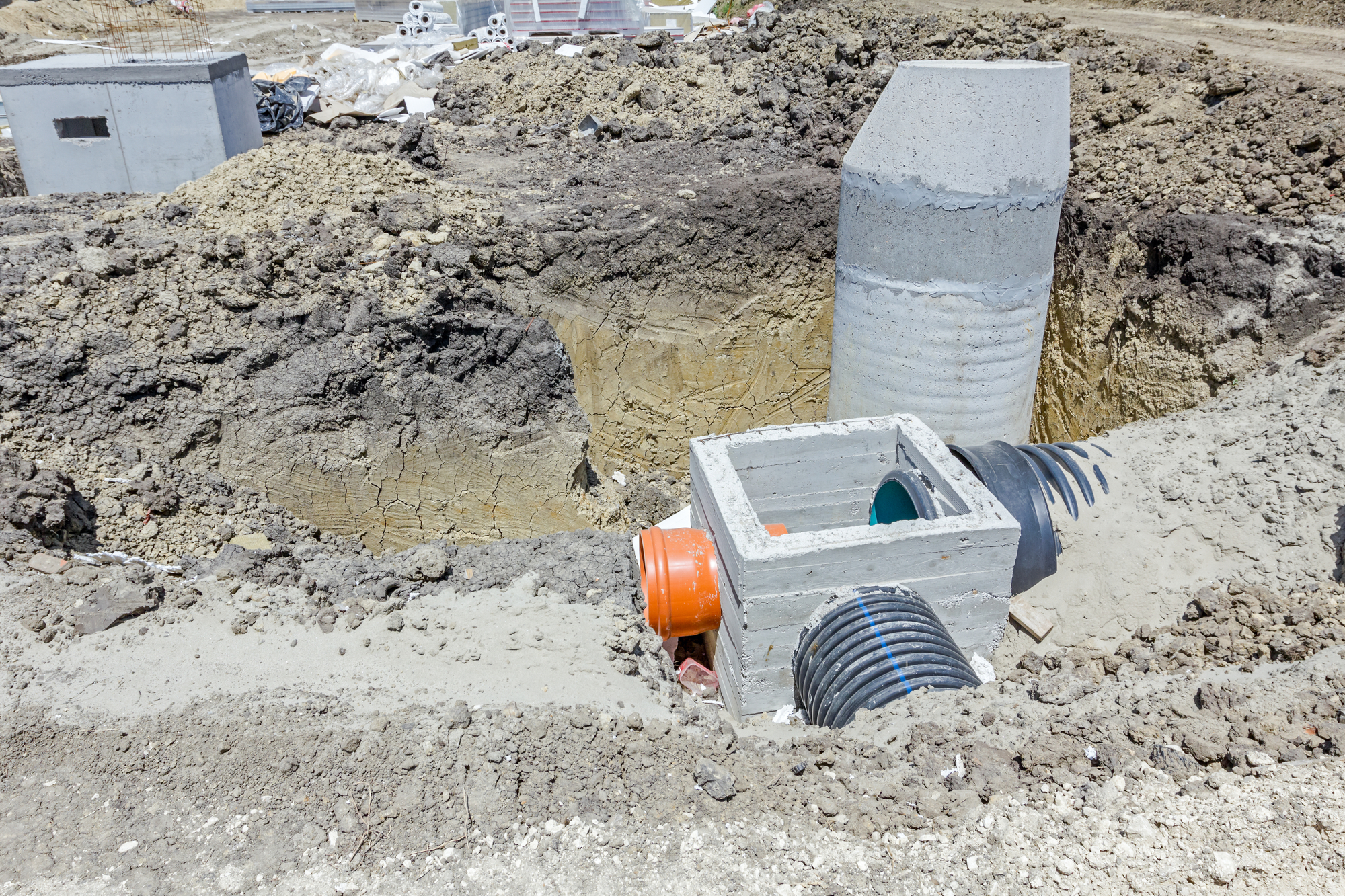
Every trenchless project begins with a professional camera inspection to assess pipe condition and plan the work. Access points are excavated, typically small pits 3 to 4 feet wide at each end of the pipe section. For relining, cleaning and liner installation follow. For bursting, the new pipe is prepared, connected to the bursting head, and pulled through. Final connections are made, the system is tested, and access pits are backfilled and restored. Most residential projects are complete within one to two days from start to finish.
TurnKey Drainage offers trenchless drain replacement throughout the New Orleans metro area. Our drain replacement services include camera inspection, pipe relining, and pipe bursting using quality materials with strong warranty coverage. Call us at (504) 608-4832 or visit our contact page to schedule a free assessment and estimate. Explore our full drain services for the complete range of drain solutions we provide throughout the region.
Trenchless drain replacement replaces underground pipes with minimal excavation, using only small access pits rather than a full trench. Traditional replacement requires digging up the entire pipe run, disturbing landscaping, concrete, and other structures above the pipe. Trenchless methods accomplish the same result with less disruption, often in less time.
Most pipes that have not completely collapsed are candidates for at least one trenchless method. A camera inspection confirms whether the pipe is suitable for relining or bursting. Severely collapsed sections or pipes with extreme joint displacement may require short sections of traditional excavation combined with trenchless methods for the rest of the run.
Most residential trenchless projects complete in one to two days. Pipe relining typically requires one day for the liner installation and curing. Pipe bursting may take slightly longer depending on pipe length and depth. Both methods are significantly faster than traditional excavation and restoration.
Trenchless methods work for cast iron, clay, Orangeburg, PVC, and most other residential pipe materials. The condition of the existing pipe determines which method is appropriate. Pipe relining works best when the pipe has structural integrity to host the liner. Pipe bursting works well when the surrounding soil is suitable for the displacement of the old pipe.
Quality trenchless installation typically comes with a warranty on both materials and workmanship. CIPP liners from reputable manufacturers often carry 10-year or longer material warranties. Ask your contractor specifically about warranty coverage before the project begins, and get warranty terms in writing as part of the project contract.
Trenchless replacement requires only small access pits at each end of the pipe section being replaced, and sometimes at intermediate access points for longer runs. This minimal excavation preserves the vast majority of landscaping, hardscape, and structures above the pipe run, which is a major advantage over traditional open-cut excavation.


 Turnkey Drainage