Our Company Provide Service And Best Maintenance.
Our Company Provide Service And Best Maintenance.
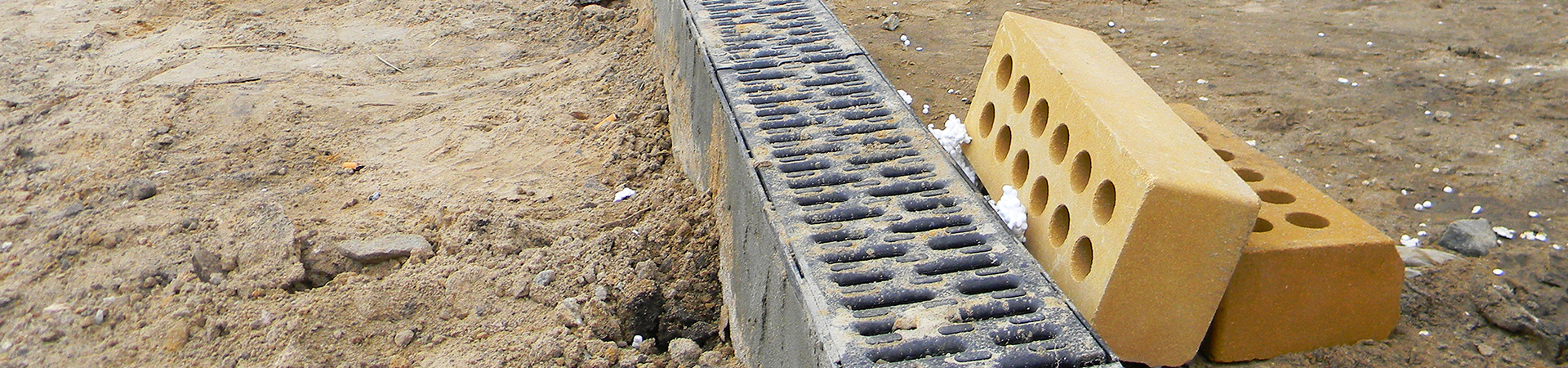
Installing a drainage system around your house typically costs between $1,500 and $10,000. The final price depends on factors like property size, landscape complexity, and soil condition.
Choosing the right type—whether it’s a French drain, surface drainage, or subsurface pipes—also plays a significant role. Material costs, including pipes and gravel, alongside labor rates and necessary permits, can drive up expenses.
Professional labor ranges from $50 to $100 per hour. If you’re planning a drainage project, understanding these elements will help you budget accurately and avoid unexpected costs. Learn more about what impacts these costs further.
When considering the cost of installing a drainage system, it’s important to first understand the different types available. Each type has its own purpose, materials, and installation methods, which can greatly impact the overall cost.
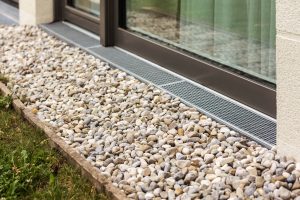
Understanding these types will help you make an informed decision when planning your drainage system installation.
Choosing the right type of drainage system is just the beginning; several factors can influence the total cost of installation.
First, the size of your property plays a significant role. Larger properties require more extensive systems, which means more labor and materials. In addition, the complexity of the landscape impacts costs. If your property has a lot of slopes, trees, or existing structures, the installation process becomes more complicated and time-consuming.
Another important factor is the condition of the soil. Hard or rocky soil can be challenging to excavate, driving up labor costs. On the other hand, soft, sandy soil might require additional materials to guarantee stability.
Labor rates in your area also affect the total cost; regions with higher living costs usually have higher labor rates.
One more thing that can add to expenses is local regulations and permits. Some areas require specific permits for drainage work, and these come with fees.
Finally, the urgency of the project can influence costs. If you need the system installed quickly, you might’ve to pay a premium for expedited service.
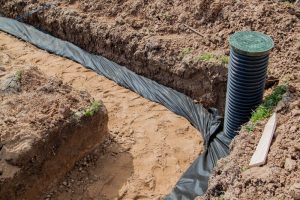
Material expenses are a necessary component of the overall cost of installing a drainage system. When planning your project, you’ll need to take into account the types and quantities of materials required.
Here are three key materials you’ll likely need:
While material expenses form a substantial part of the overall project cost, labor charges can greatly affect your budget as well. Hiring professionals guarantees that the job gets done right, but it doesn’t come cheap.
Labor costs for installing a drainage system around your house typically range from $50 to $100 per hour, depending on the complexity of the job and the region you live in.
You might need a team that includes excavators, plumbers, and general contractors, each bringing their expertise to the table. Labor costs are also significantly influenced by the type and size of the drainage system. For example, installing a French drain usually requires more labor due to the need for digging trenches and laying pipes, which can take several days to complete.
It’s essential to get multiple quotes from different contractors to guarantee you’re getting a fair rate. Be sure to ask about their experience and check references.
While it might be tempting to go with the lowest bid, remember that quality workmanship often comes at a higher price. Investing in skilled labor can save you from costly repairs down the line.
When budgeting for a drainage system installation, don’t overlook additional costs that can sneak up on you. These unexpected expenses can quickly add up, turning your carefully planned budget into a financial headache.
One common extra cost is permits and inspections. Many local governments require permits for drainage work, and you’ll need to pay fees for these permits and any inspections needed to verify the work meets local codes.
Another potential expense involves landscaping repairs. Installing a drainage system often means digging up parts of your yard, which can leave it looking messy. You’ll likely need to spend money on replanting grass, flowers, or bushes that were disturbed during the installation.
Lastly, don’t forget about maintenance costs. While a well-installed drainage system can last for years, periodic maintenance is essential to keep it functioning correctly. This might include cleaning out clogs, repairing damaged pipes, or replacing worn-out components.
Here’s a quick breakdown of these additional costs:
Installing a drainage system around your house can protect your property from water damage, but costs can vary. You’ll need to evaluate the type of system, material expenses, labor charges, and any additional costs.
By understanding these factors, you can budget more accurately and avoid surprises. Don’t forget to consult with professionals to get a clear estimate tailored to your specific needs. Investing in a quality drainage system now can save you money and hassle in the long run.
If you’re in the New Orleans area and need expert drainage solutions, TurnKey Drainage is here to help. Our team of professionals specializes in designing and installing efficient drainage systems that protect your property from water damage. Contact us today for a consultation and let us provide you with a customized solution that meets your needs and budget.
For more drainage tips, be sure to check out our blogs for additional insights and advice.
You’re wondering about the installation time for a drainage system. Typically, it takes 2-4 days, depending on your property’s size and complexity. Efficient planning and good weather can speed up the process, ensuring a quicker installation.
You can install a drainage system yourself if you have the right tools and know-how. It’s a labor-intensive job, so be prepared for physical work. Research thoroughly and follow safety guidelines to guarantee a successful installation.
You should look for signs like water pooling around your foundation, basement leaks, mold growth, or soggy lawns. If you notice these issues, it’s time to contemplate installing a new drainage system to protect your home.
You should check your drainage system annually for clogs or damage. Regular maintenance, like removing debris and ensuring proper flow, can prevent major issues. Don’t wait for problems to arise; proactive care saves you time and money.
Installing a drainage system can definitely boost your property’s value. It prevents water damage, protects your foundation, and guarantees a dry, usable yard. Potential buyers will appreciate the added protection and peace of mind.


 Turnkey Drainage