Our Company Provide Service And Best Maintenance.
Our Company Provide Service And Best Maintenance.
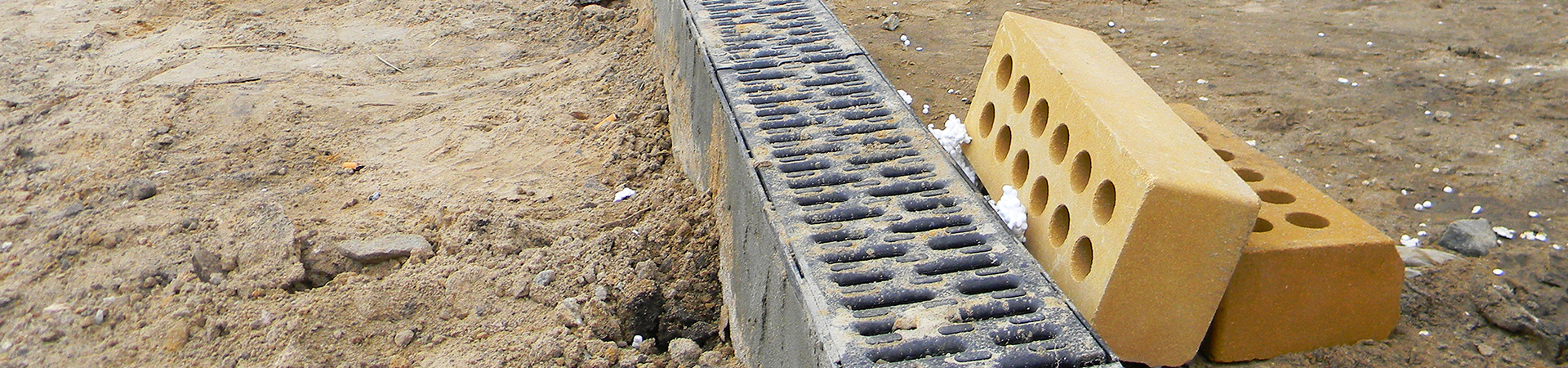
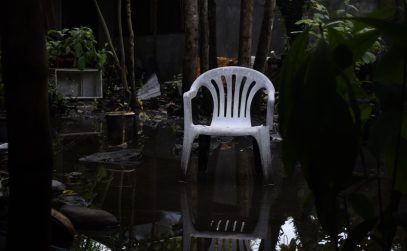
Sump pumps are an important flood protection tool for many New Orleans properties, particularly those in below-sea-level neighborhoods with high water tables or chronically wet crawl spaces. Whether your property needs one depends on your elevation, soil conditions, moisture history, and the performance of your existing drainage systems.
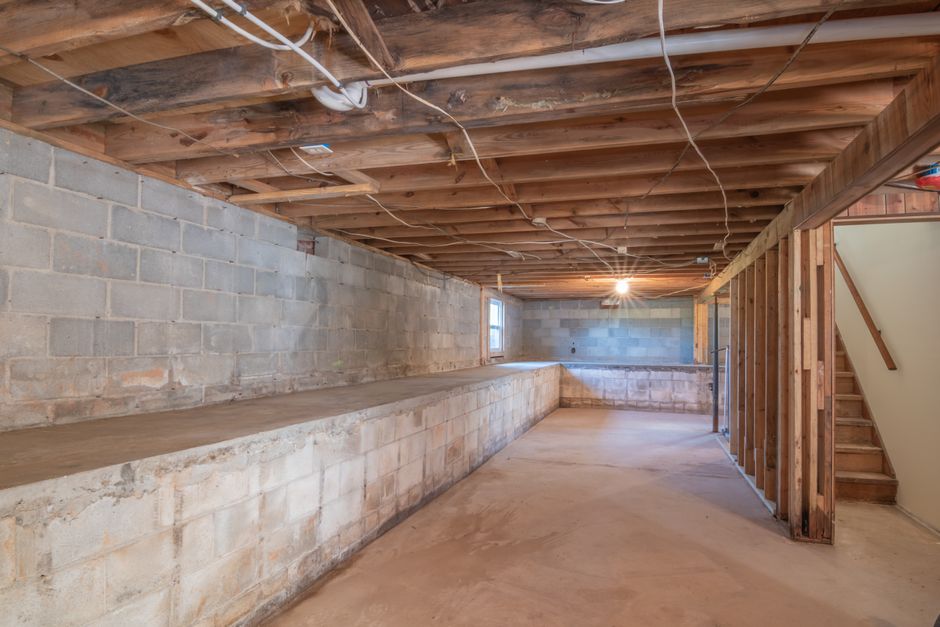
When New Orleans homeowners ask about sump pumps, the answer is rarely simple. Whether a sump pump is the right solution for your property depends on factors specific to your location and home construction. TurnKey Drainage assesses properties throughout the New Orleans metro area and recommends drainage solutions based on actual site conditions rather than a one-size-fits-all approach. Here is what you need to know about sump pumps and whether one belongs in your property drainage plan.
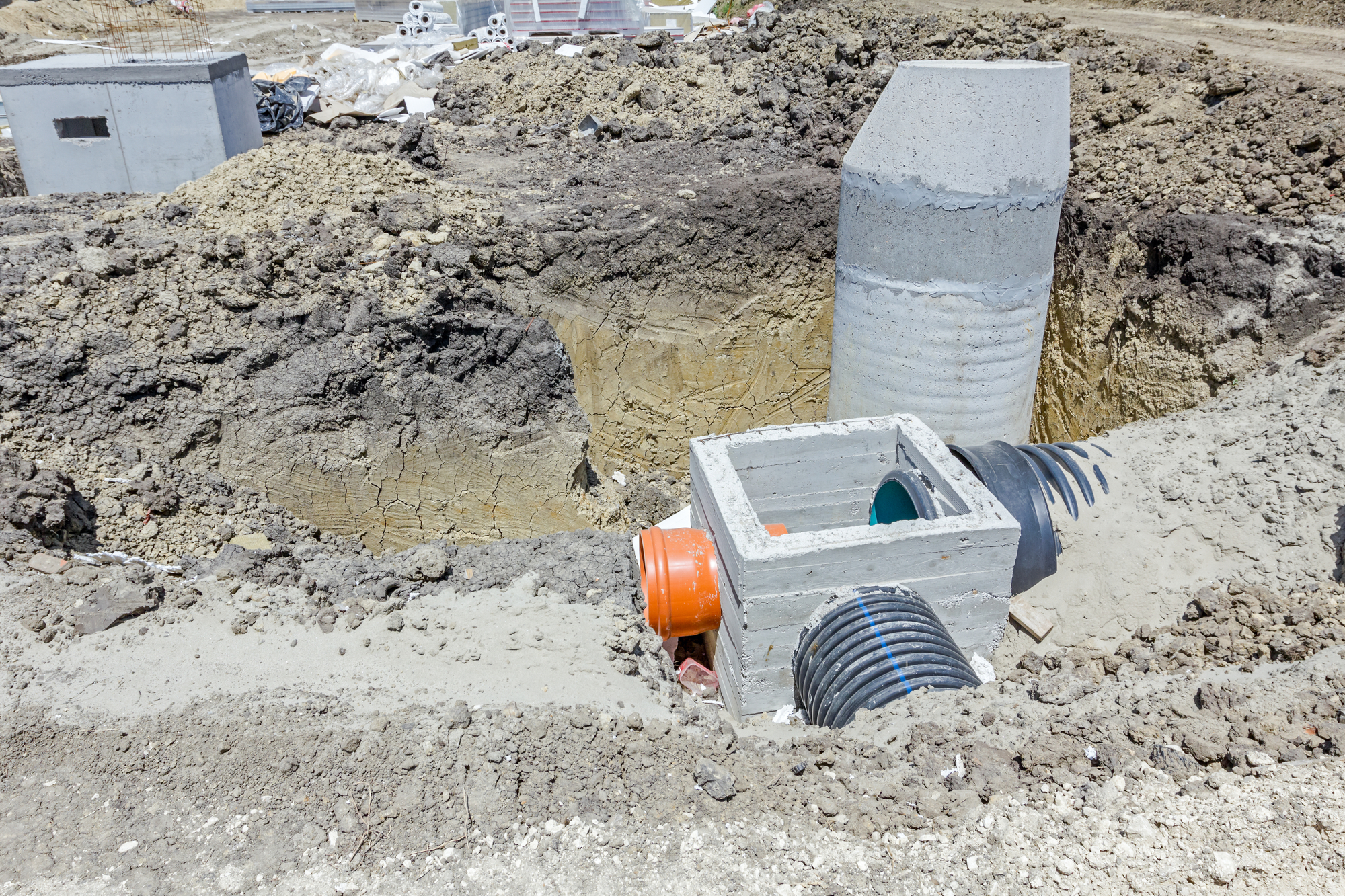
A sump pump is an electric pump installed in a pit, called the sump pit or crock, dug at the lowest point of a basement or crawl space. When water rises to a set level in the pit, the pump activates automatically and pushes the water out through a discharge pipe that leads away from the structure to a storm drain, dry well, or the street.
Sump pumps remove water that has already entered the area beneath a structure. They are reactive: they respond to water that has accumulated rather than preventing water from arriving. The most effective drainage approaches combine sump pumps with systems that intercept water before it reaches the structure. Understanding why New Orleans yards flood helps clarify which combination is right for your property.
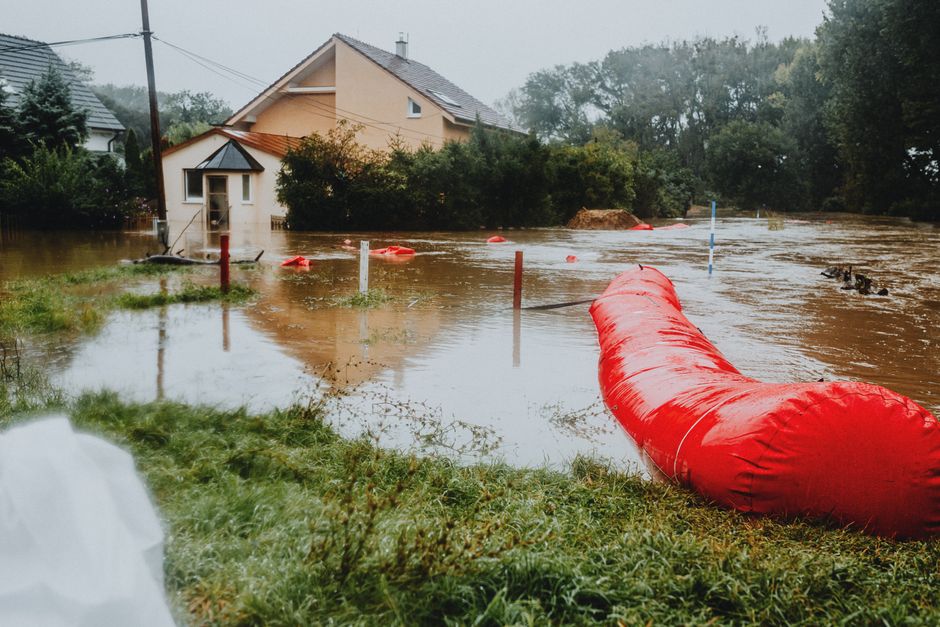
Properties that drain well, sit at or above street level, and have no history of crawl space or interior moisture generally do not need sump pumps. Surface drainage improvements like catch basins and French drains solve most outdoor flooding issues without requiring active pumping systems. See how catch basins protect New Orleans properties addresses surface water management without a pump.
Submersible pumps sit entirely inside the sump pit and are sealed to operate underwater. They are quieter, more powerful, and more efficient than pedestal models. They handle larger water volumes and are the preferred choice for properties with significant groundwater pressure. Most residential installations in New Orleans use submersible pumps.
Pedestal pumps have the motor mounted above the pit on a post, with only the intake at the bottom in the water. They are less expensive and easier to service, but noisier and less capable of handling high water volumes. They suit properties with lighter moisture issues and crawl spaces where space limits pit depth.
In New Orleans, power outages often accompany the heaviest storms. A battery backup sump pump provides continued protection when the main power-operated pump loses electricity. For properties that genuinely need a sump pump, a battery backup system is not optional: it is essential. The times when you need the pump most are often the times when power is most likely to be out.
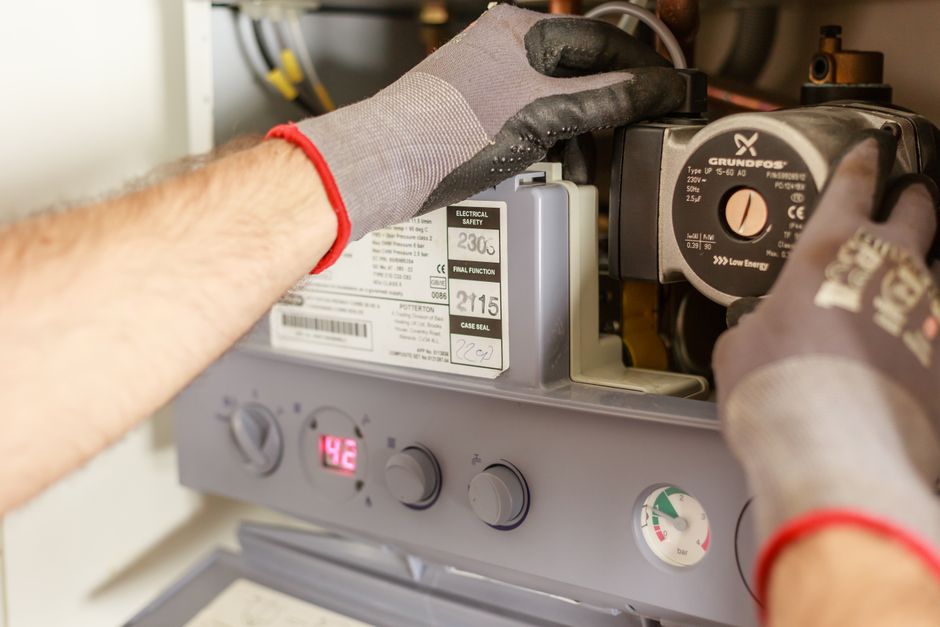
A sump pump alone rarely solves a drainage problem comprehensively. For most New Orleans properties with moisture issues, the complete strategy includes improving surface drainage to reduce the volume of water reaching the structure, installing perimeter drains or French drains to intercept subsurface water, and using a sump pump to actively remove any water that still accumulates beneath or around the structure. Our landscape drainage services include full assessments that design the right combination for your specific property.
Test the pump quarterly by pouring water into the pit until the float triggers the pump. Inspect the discharge pipe annually to ensure it is not blocked and terminates at least 10 feet from the foundation. Clean the pump intake screen annually. Replace the battery in backup systems according to manufacturer recommendations, typically every 2 to 3 years.
TurnKey Drainage installs sump pump systems and provides ongoing maintenance as part of our landscape drainage services. Call us at (504) 608-4832 or use our contact page to schedule a free property assessment. We will evaluate your site conditions and tell you honestly whether a sump pump is what your property needs, or whether other drainage improvements will solve your problem more effectively. Review the full range of our drain services for all available options.
It depends on your property conditions. Homes with wet crawl spaces, below-sea-level locations with high water tables, or a history of interior moisture or flooding benefit from sump pump installation. Properties with good surface drainage and no interior moisture history typically do not need one.
A quality submersible sump pump typically lasts 7 to 10 years with proper maintenance. Pumps that run more frequently in high-water-table areas of New Orleans may have shorter lifespans. Annual inspection and quarterly testing help identify pumps approaching end of life before they fail during a storm.
Without power, a standard sump pump stops working. This is critical in New Orleans because power outages frequently accompany the heavy storms that require the pump most. A battery backup sump pump activates automatically when it detects the primary pump is not running, providing continued protection during outages.
Sump pump discharge should be directed at least 10 to 20 feet away from the foundation to a storm drain, drainage ditch, or other approved discharge point. Never direct discharge toward a neighbor property. TurnKey Drainage designs discharge routing as part of every installation.
Basic sump pump replacement in an existing pit is sometimes a DIY project. Digging a new sump pit, routing discharge piping, and integrating the pump into a broader drainage system requires professional installation to ensure proper sizing, placement, and discharge routing for your site conditions.
Costs vary based on pump type, pit excavation requirements, and discharge pipe routing. TurnKey Drainage provides free written estimates based on your specific property conditions. Contact us to schedule an assessment and receive an accurate price for your installation.


 Turnkey Drainage