Our Company Provide Service And Best Maintenance.
Our Company Provide Service And Best Maintenance.
Grease, food particles, soap buildup, and aging pipes are the main reasons New Orleans kitchen drains keep clogging. Proper grease disposal, drain screens, and regular professional cleaning prevent most kitchen drain blockages and protect your plumbing system.
If you are constantly battling a clogged kitchen drain, you are not alone. Kitchen drain clogs are one of the most common plumbing complaints from New Orleans homeowners, and the city’s food culture and climate make the problem even worse. At TurnKey Drainage, we see this issue daily across the greater New Orleans area. Here is what is actually causing your clogs and what you can do to prevent them for good.
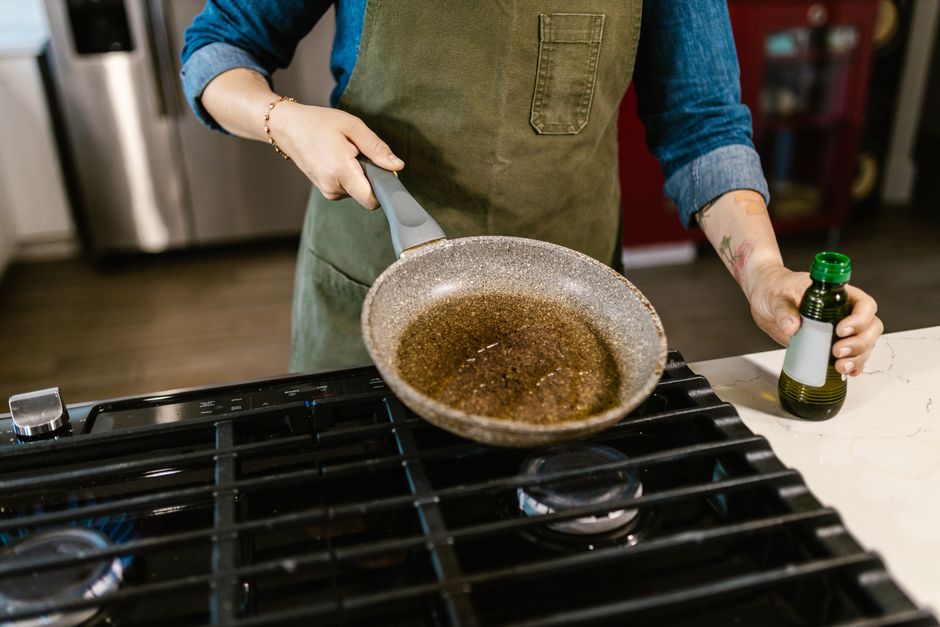
In a city known for frying, sauteing, and making roux, grease is the leading cause of kitchen drain clogs. When you pour hot grease or cooking oil down the drain, it feels liquid. But as it cools inside your pipes, it solidifies and coats the pipe walls.
Over time, this grease layer builds up and traps food particles, creating a stubborn blockage that gets worse with every meal. For detailed prevention strategies, read our guide to grease prevention for New Orleans cooks.
 Many homeowners assume their garbage disposal can handle anything. In reality, disposals are designed for small, soft food scraps.
Items that commonly cause problems include rice and pasta (which expand in water), coffee grounds (which clump), eggshells (which create sand-like buildup), fibrous vegetables like celery and artichokes (which tangle), potato peels (which form starchy paste), and bones or shellfish shells (which damage the disposal).
Dish soap leaves residue called soap scum inside your pipes. In New Orleans, the water supply contains minerals that react with soap to create an even thicker buildup. Several other local factors make kitchen drain clogs more common here.
Many homes have original cast iron pipes that have corroded internally. High humidity accelerates corrosion and bacterial growth. Our cooking culture uses more oils and fats than the national average. And local water mineral content contributes to scale buildup. Homeowners across our service areas, from Slidell to the Westbank, deal with the same issues.
 The good news is that most kitchen drain clogs are entirely preventable. Never pour cooking grease or oil down the drain. Instead, let it cool, then dispose of it in the trash.
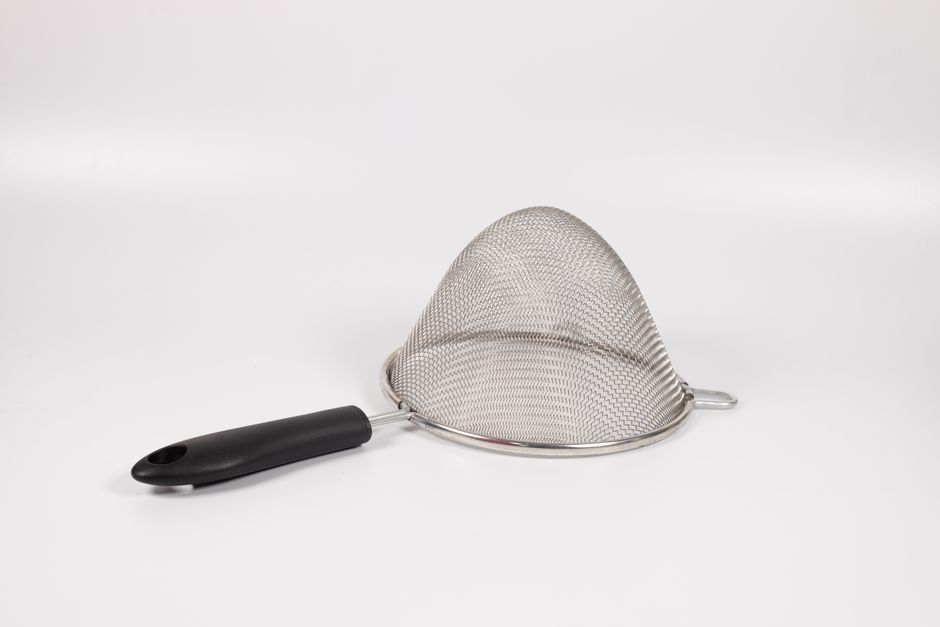
Use a mesh drain screen to catch food particles. Run hot water through the drain for 30 seconds after washing dishes.
Once a month, flush with boiling water followed by baking soda and vinegar. And schedule annual professional cleaning to keep your lines clear.
If your kitchen drain is slow despite prevention efforts, or if it is completely blocked, it is time for professional help. Avoid chemical drain cleaners as they are harsh on older pipes. Professional kitchen drain cleaning uses methods like hydro jetting that thoroughly clear the entire pipe.
We also offer drain repair services and bathtub drain services for other plumbing issues. Check out our project gallery and learn more about our team. If your clogs persist, you may be dealing with signs of deeper drain damage that requires more than just cleaning. Regular professional drain cleaning prevents buildup from becoming an emergency.
No. Hot water only pushes grease further down the pipe where it eventually cools and solidifies. The grease still coats your pipe walls and builds up over time. Always dispose of grease in the trash.
Chemical drain cleaners are not recommended. They are harsh on pipes, especially the older cast iron pipes common in New Orleans homes, and they rarely clear the entire blockage. They can damage pipe joints and create leaks.
Kitchen drain odors usually come from decomposing food particles and grease buildup inside your pipes. Bacterial growth in the warm, moist environment inside drains also produces foul smells. Professional cleaning removes the source.
Never pour grease down the drain. Use a mesh drain screen to catch food particles. Run hot water for 30 seconds after each use. Flush monthly with baking soda and vinegar. Schedule annual professional drain cleaning.
Avoid putting rice, pasta, coffee grounds, eggshells, fibrous vegetables like celery, potato peels, bones, and shellfish shells down the disposal. These items expand, clump, tangle, or form pastes that cause blockages.
New Orleans homeowners who cook frequently with oils and fats should schedule professional kitchen drain cleaning at least once a year. Households with heavy cooking habits may benefit from cleaning every 6 months.
If your New Orleans kitchen drain keeps clogging, there is a reason and a solution. TurnKey Drainage offers free estimates on all kitchen drain services throughout the greater New Orleans area. Our licensed technicians will diagnose the root cause and get your kitchen drain flowing freely.
Call (504) 608-4832 or request your free estimate today.


 Turnkey Drainage