Our Company Provide Service And Best Maintenance.
Our Company Provide Service And Best Maintenance.
The drains in your New Orleans home are not designed to handle cooking grease, paper products, medications, paint, cleaning products, or fibrous food waste. Pouring these materials down your drains creates clogs, damages pipes, harms the municipal sewer system, and can generate costly repair bills.
Most homeowners know that grease should not go down the drain. But the list of drain hazards extends well beyond the obvious. In New Orleans, where aging infrastructure and a high water table make the consequences of drain problems especially severe, the right disposal habits protect your home, your wallet, and your neighborhood. TurnKey Drainage has responded to countless preventable clogs and drain emergencies caused by improper disposal. Here is what you need to know.
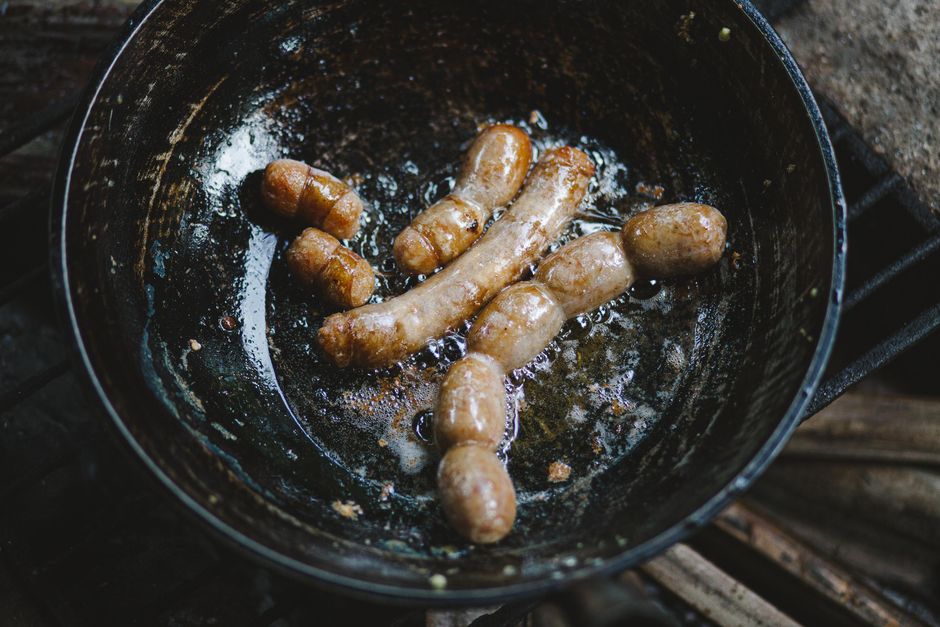
This is the most common and most damaging drain mistake in New Orleans kitchens. Cooking grease, bacon fat, butter, lard, and vegetable oil all solidify inside drain pipes as they cool after being poured down hot. The buildup is cumulative: each pour adds another thin layer to the inside of your pipes until flow is severely restricted or blocked entirely. New Orleans cooking culture, which relies heavily on fats and oils, makes grease clogging a particularly common service call. Our detailed guide on grease and kitchen drain prevention covers this topic thoroughly for New Orleans cooks specifically.
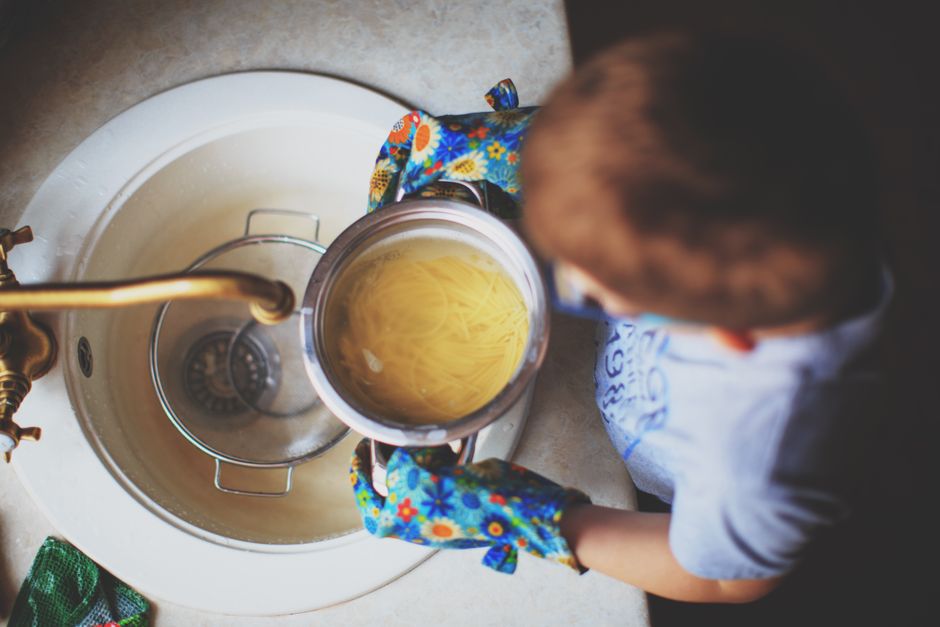
Even with a garbage disposal, fibrous vegetables like celery and artichokes, starchy foods like rice and pasta, and coffee grounds should never go down the drain. Fibrous foods wrap around disposal blades and accumulate in pipes. Starchy foods swell when wet and form thick pastes that collect in pipe bends. Coffee grounds clump together in water and form dense sediment that settles in pipe low spots. Our article on garbage disposal and drain care provides complete guidance on what the disposal can and cannot handle.
Eggshell membranes can wrap around disposal shredder rings and clog drain lines. Ground eggshell and bone fragments form a sand-like grit that settles in pipe bends and accumulates over time, gradually restricting flow. These materials go in the trash or compost, not the drain.
Despite being labeled flushable, moist wipes do not break down in water the way toilet paper does. They accumulate in drain lines and sewer mains, combining with grease to form massive blockages. No wipe product belongs in the toilet or drain. Paper towels, cotton balls, cotton swabs, dental floss, bandages, and sanitary products belong in the trash. Dental floss is particularly problematic because its stringy nature causes it to tangle around debris inside pipes, creating a net that catches other materials.
Hair is the leading cause of bathtub and shower drain clogs. It does not dissolve in water, combines with soap residue to form dense mats, and travels far down the pipe before collecting at a bend or restriction. Use a drain screen in every tub and shower to catch hair at the source. For more prevention tips see our guide on keeping your bathtub drain clog-free.
Medications flushed down the drain pass through the wastewater treatment system and enter waterways where they affect aquatic life and potentially drinking water sources. Bring unused medications to a pharmacy take-back program or a DEA-authorized collection site. Never flush them or pour them down the drain.
Latex paint, oil-based paint, paint thinner, turpentine, and most chemical cleaning products are hazardous materials that should never enter the drain system. They can damage pipe materials, harm beneficial bacteria in septic systems, and pass through municipal wastewater treatment into waterways. Dispose of these through your parish household hazardous waste collection program.
Clay cat litter expands dramatically when it absorbs water, making it an extremely effective pipe clogger even in small amounts. Flushable cat litter is still not recommended for plumbing systems because it forms clumps that accumulate in drain lines. Always bag and dispose of cat litter in the trash.
Improper drain disposal is not just a plumbing problem. It is a financial one. Emergency drain cleaning and repair calls cost significantly more than routine maintenance. The real cost of ignoring a clogged drain in New Orleans goes well beyond the service call itself when a blockage causes water damage or sewer backup.
If your drains show signs of buildup from years of improper disposal, TurnKey Drainage provides professional drain cleaning services that remove accumulated grease, scale, and debris safely. Call us at (504) 608-4832 or use our contact page to request a free estimate. You can also explore our full range of drain services to find the right solution for your specific situation.
No. Hot water only moves the grease further into your pipe system. Once it cools, it solidifies on pipe walls regardless of how far it traveled. The buildup is cumulative and eventually restricts flow entirely. Always dispose of grease in the trash.
No. Despite the labeling, flushable wipes do not break down in water the way toilet paper does. They accumulate in sewer lines and combine with grease to form large blockages. New Orleans wastewater operators regularly remove massive wipe-and-grease blockages from the sewer system. Always put wipes in the trash.
Small amounts of latex paint can be allowed to dry completely before trash disposal. Oil-based paint and large quantities of latex paint should go to a household hazardous waste collection event. Never pour any paint down a drain or storm drain.
The garbage disposal handles small amounts of incidental food residue but should not process bulk food scraps. Avoid fibrous vegetables, starchy foods, eggshells, coffee grounds, and bones. These cause drain blockages that professional service must clear.
No. The baking soda and vinegar reaction is mild and safe for all pipe materials, including older cast iron. It is an effective maintenance flush that removes light buildup and freshens drains. It is not strong enough to clear established clogs but works well as monthly preventive maintenance.
For small amounts of grease, flush immediately with the hottest tap water you have for several minutes to push it through the line before it solidifies. For chemical products, flush with large volumes of water to dilute. If you notice any immediate change in drain performance, call a professional promptly.


 Turnkey Drainage