Our Company Provide Service And Best Maintenance.
Our Company Provide Service And Best Maintenance.
Drain replacement in New Orleans costs between $500 and $15,000 or more depending on pipe length, material, access difficulty, and repair method. Trenchless replacement typically costs less than traditional excavation when accounting for landscaping restoration. Get a free written estimate before committing to any drain replacement project.
When your drain pipes fail beyond the point of repair, replacement becomes necessary. But how much should you expect to pay? The answer varies more than most homeowners realize, and understanding what drives the cost helps you evaluate quotes and make a smarter decision. TurnKey Drainage serves the entire New Orleans metro area and provides free written estimates on all drain replacement work. This guide breaks down what goes into the cost and what you should know before your project begins.
Here are typical price ranges for common drain replacement scenarios in the New Orleans area. These are general ranges; your actual cost depends on specific conditions at your property.
These ranges reflect labor, materials, and basic site restoration. Landscaping repair, concrete replacement, and permit fees are additional costs that vary widely by project. If you are unsure whether repair or replacement is the right call, our guide on drain repair vs. replacement walks through how to decide.
Longer pipe runs cost more simply because they require more material and labor. Larger diameter pipes, such as the 4-inch or 6-inch main sewer line, cost more per foot than smaller 1.5-inch or 2-inch fixture drain lines. In New Orleans historic neighborhoods, properties often sit on narrow lots with complex pipe routing that increases total footage.
Pipes buried deeper require more excavation. In New Orleans, main sewer lines are typically 4 to 8 feet deep. Properties with slab foundations require breaking through concrete to access under-slab pipes, which adds significantly to the cost. Pier-and-beam homes generally offer easier access through the crawl space, reducing labor hours.
Cast iron, clay, and Orangeburg pipe are the most common materials in New Orleans older homes. Each presents different removal challenges. Cast iron is heavy and labor-intensive to cut and remove. Clay pipes are brittle and break during excavation. Orangeburg pipe often collapses during removal. The difficulty of removing the existing material affects the labor cost.
Trenchless drain replacement methods, including pipe bursting and pipe relining, typically cost more per linear foot for the pipe work itself compared to open-cut excavation. However, traditional excavation requires restoring everything disturbed during the dig: concrete driveways, sidewalks, landscaping, fencing, and sometimes interior flooring. When you factor in full restoration costs, trenchless replacement is often less expensive overall and completed faster. Our detailed guide on trenchless drain replacement explains both methods in depth.
Drain replacement projects in New Orleans typically require permits through the city or parish. Permit fees vary by project scope and jurisdiction. TurnKey Drainage handles all permitting as part of our service. Never hire a contractor who suggests skipping the permit to reduce cost. Unpermitted work creates liability issues and may require removal if discovered during a property sale.
Several factors specific to the New Orleans environment can complicate drain replacement projects and affect pricing:
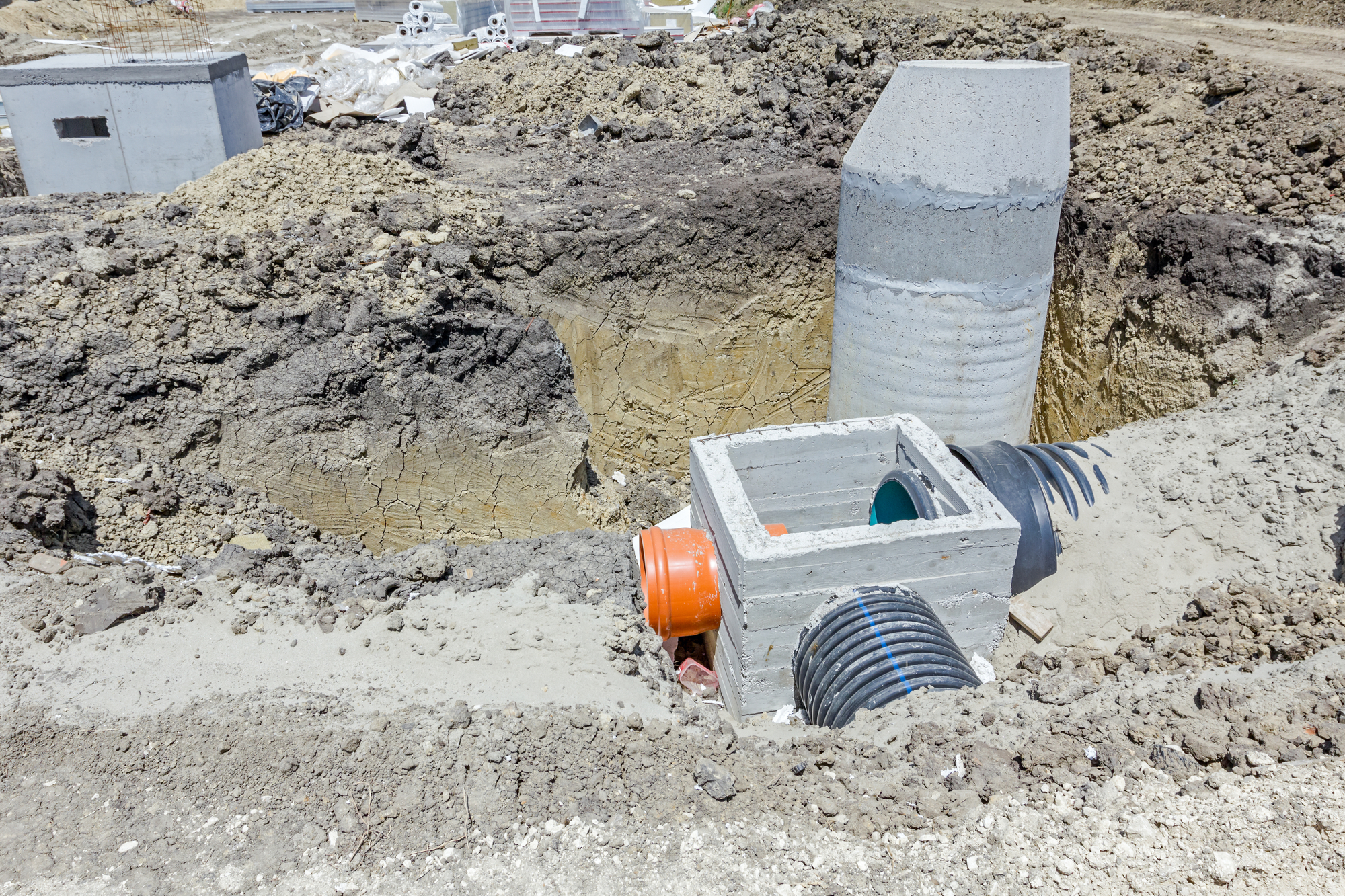
The high water table in many neighborhoods means trenches fill with water during excavation, requiring constant pumping. Soft alluvial soil can shift and collapse into an open trench more readily than the firmer soil in other regions. Underground utilities are often older and less precisely mapped, requiring careful hand-digging near gas, electrical, and water lines. Historic properties may have multiple layers of pipe from different eras, all requiring removal before new pipe can be installed.
These complexities are why choosing an experienced local contractor matters. A company that knows New Orleans soil conditions, local permit requirements, and the common pipe systems in each era of construction will complete your project more efficiently than a general contractor working in unfamiliar territory. Problems like cracked or collapsed drain pipes are extremely common in this area, and experienced hands make a significant difference.
A typical drain replacement project begins with a camera inspection to confirm the condition of existing pipes and identify the full extent of the problem. This inspection guides the project scope and helps avoid surprises once work begins.
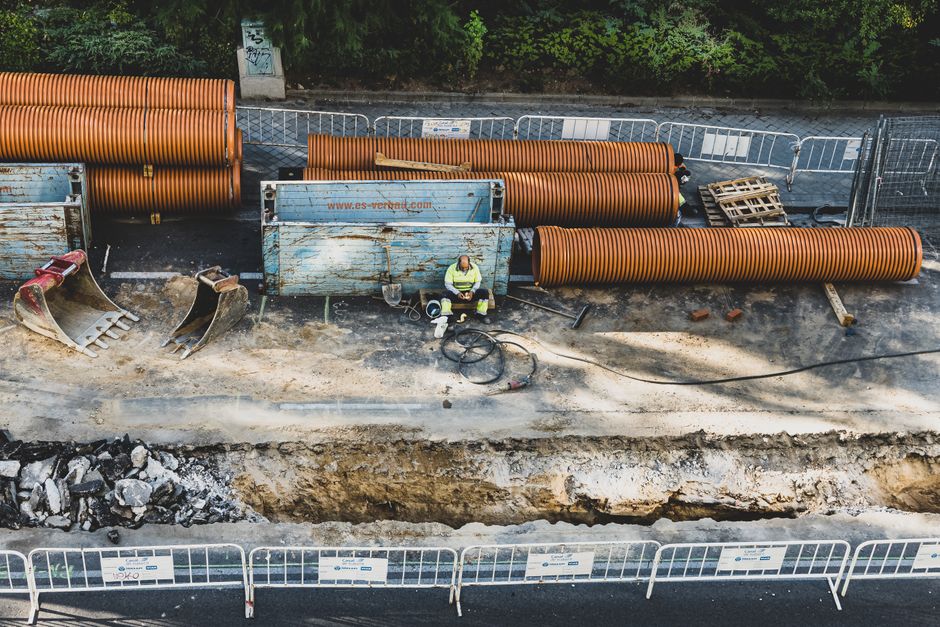
Next, the crew prepares access, whether that means opening the yard, breaking through a concrete slab, or setting up access pits for a trenchless approach. Old pipe is removed or, in the case of pipe bursting, displaced outward as new pipe is pulled through. The new pipe, almost always PVC or HDPE in modern installations, is laid to proper grade and connected to existing plumbing at both ends. Final connections are tested, the area is backfilled and compacted, and surface restoration begins.
For a thorough drain replacement project in a typical New Orleans home, plan for one to three days of work. Complex projects involving long main line runs or interior slab work may take longer.
The only way to know your actual replacement cost is a professional assessment of your specific property. TurnKey Drainage provides free written estimates with no obligation. Our licensed technicians will inspect your pipes, explain your options, and give you a clear, itemized price before any work begins. Call (504) 608-4832 or visit our contact page to schedule your assessment. You can also review our full drain services to understand what we offer across all drain types.
Costs range from $500 for a single fixture line to $10,000 or more for a full main sewer line replacement using traditional excavation. Trenchless methods fall in a similar range but often save money when you factor in landscaping and concrete restoration costs. Get a free written estimate to know your specific project cost.
The pipe work itself may cost slightly more per foot with trenchless methods, but you save on restoration costs for concrete, landscaping, and fencing that excavation disturbs. For most residential properties, the total project cost is comparable or lower with trenchless methods, and the timeline is shorter.
Standard homeowners insurance covers sudden and accidental damage but typically excludes gradual deterioration due to age or lack of maintenance. Some policies include sewer line coverage as an add-on. Review your specific policy and contact your insurer to understand your coverage before assuming costs are covered.
Modern PVC and HDPE drain pipes have a functional lifespan of 50 to 100 years or more. This is a significant improvement over the cast iron, clay, and Orangeburg pipes they replace in most New Orleans homes, which typically reach the end of their usable life after 50 to 75 years.
Single line replacements often complete in one day. Full main sewer line replacement with traditional excavation typically takes two to four days, including backfill and compaction. Trenchless methods are usually faster. Your contractor should give you a project timeline as part of the written estimate.
In most cases, no. External drain line replacement typically does not disrupt interior plumbing service for more than a few hours. Under-slab work may require temporary disconnection of specific fixtures. Your contractor will tell you what to expect for your specific project during the estimate.


 Turnkey Drainage