Our Company Provide Service And Best Maintenance.
Our Company Provide Service And Best Maintenance.
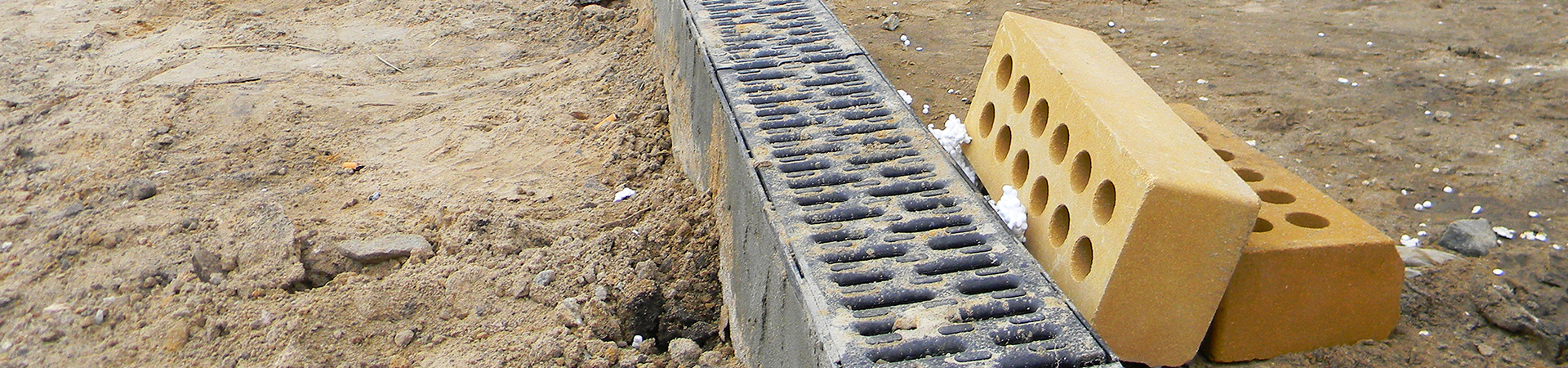
Downspout drainage is one of the most overlooked contributors to flooding and foundation damage in New Orleans homes. A single downspout can discharge hundreds of gallons of water per hour during a heavy storm, and without proper management that water saturates the soil around your foundation, floods your yard, and erodes your landscaping. The right downspout drainage solution redirects that water safely away from your home.
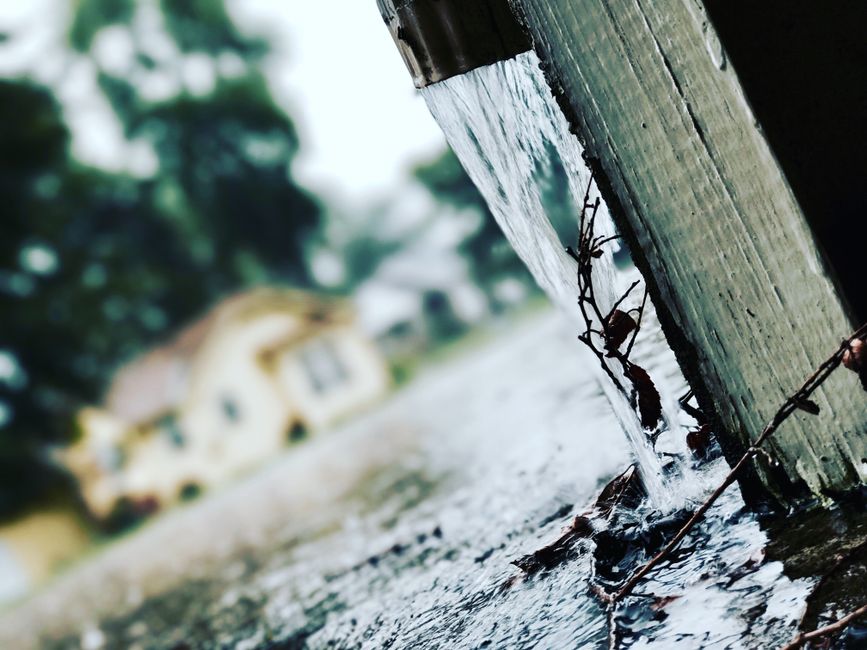
New Orleans receives more than 60 inches of rain annually, and the city regularly experiences intense storm events that dump one to three inches of rain in an hour. During those events, your roof is shedding enormous volumes of water that all converge at your downspouts. What happens at the base of those downspouts determines whether that water becomes a problem for your home. At TurnKey Drainage, we see downspout drainage as one of the highest-impact, most cost-effective drainage improvements available to New Orleans homeowners. Here is what you need to know.
The math is straightforward and often surprising to homeowners. For every 1,000 square feet of roof surface, a 1-inch rainstorm produces approximately 600 gallons of water. A typical New Orleans home with a 1,500-square-foot roof sheds 900 gallons of water per inch of rain. During a 2-inch-per-hour storm event, which is not uncommon in New Orleans during summer, a single downspout serving one corner of that roof may discharge more than 100 gallons per minute.
When that volume discharges at a single point against or near your foundation, the soil becomes saturated almost immediately. Saturated soil cannot absorb more water. The water spreads horizontally, finding the path of least resistance, which is often along your foundation wall or into low spots in your yard. Understanding proper foundation drainage in New Orleans management helps put downspout discharge in the broader context of protecting your home.
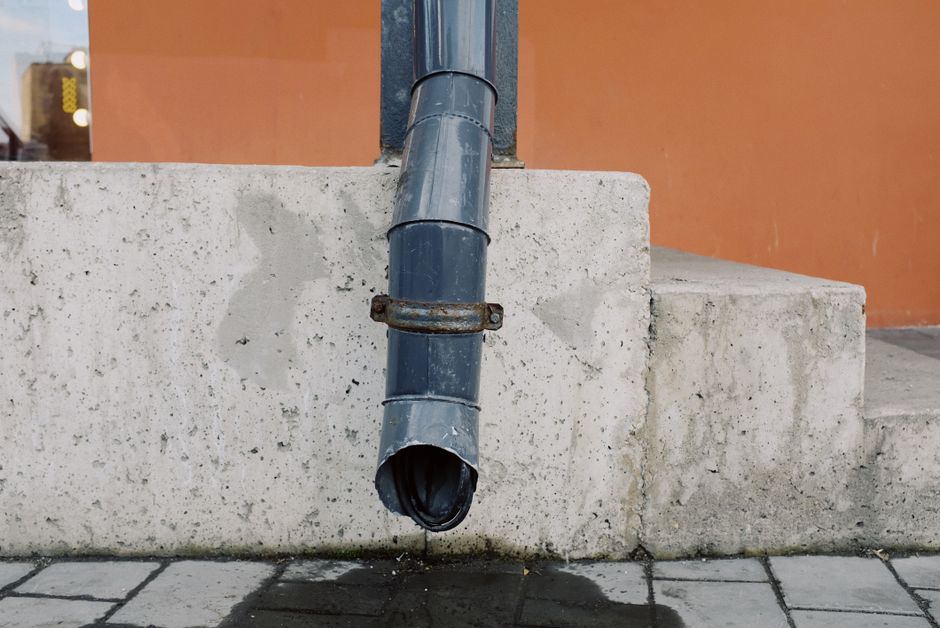
The most common and most damaging situation: downspouts that terminate directly against the foundation or within 1 to 2 feet of it. This is often the original installation from when the home was built, before the cumulative damage from decades of storm events became apparent. Every heavy rain event saturates the soil against the foundation at that spot, and over years this contributes to settling, cracking, and moisture intrusion.
Plastic downspout extensions that direct water 2 to 3 feet from the foundation are common and better than direct discharge, but not sufficient for New Orleans rainfall volumes. At 2 to 3 feet from the foundation, soil still saturates rapidly during heavy events and water migrates back toward the foundation. Extensions need to reach at least 4 to 6 feet as a minimum, and underground piping that carries water well away from the structure is the most effective solution.
Even extensions of adequate length cause problems when the terrain slopes the discharge back toward the house, into a landscape bed against the foundation, or into a low area of the yard that cannot handle the volume. The discharge point must be at a location where the terrain naturally carries water away or where an underground drain system intercepts it.
Downspouts clogged with leaves, debris, or bird nests overflow at the top, sending water cascading down the exterior wall and concentrating at the foundation below the gutter. During heavy rain, a clogged downspout can deposit more water against the foundation than an open one. Annual gutter and downspout cleaning is essential in New Orleans, where live oaks and other large trees deposit heavy debris loads.

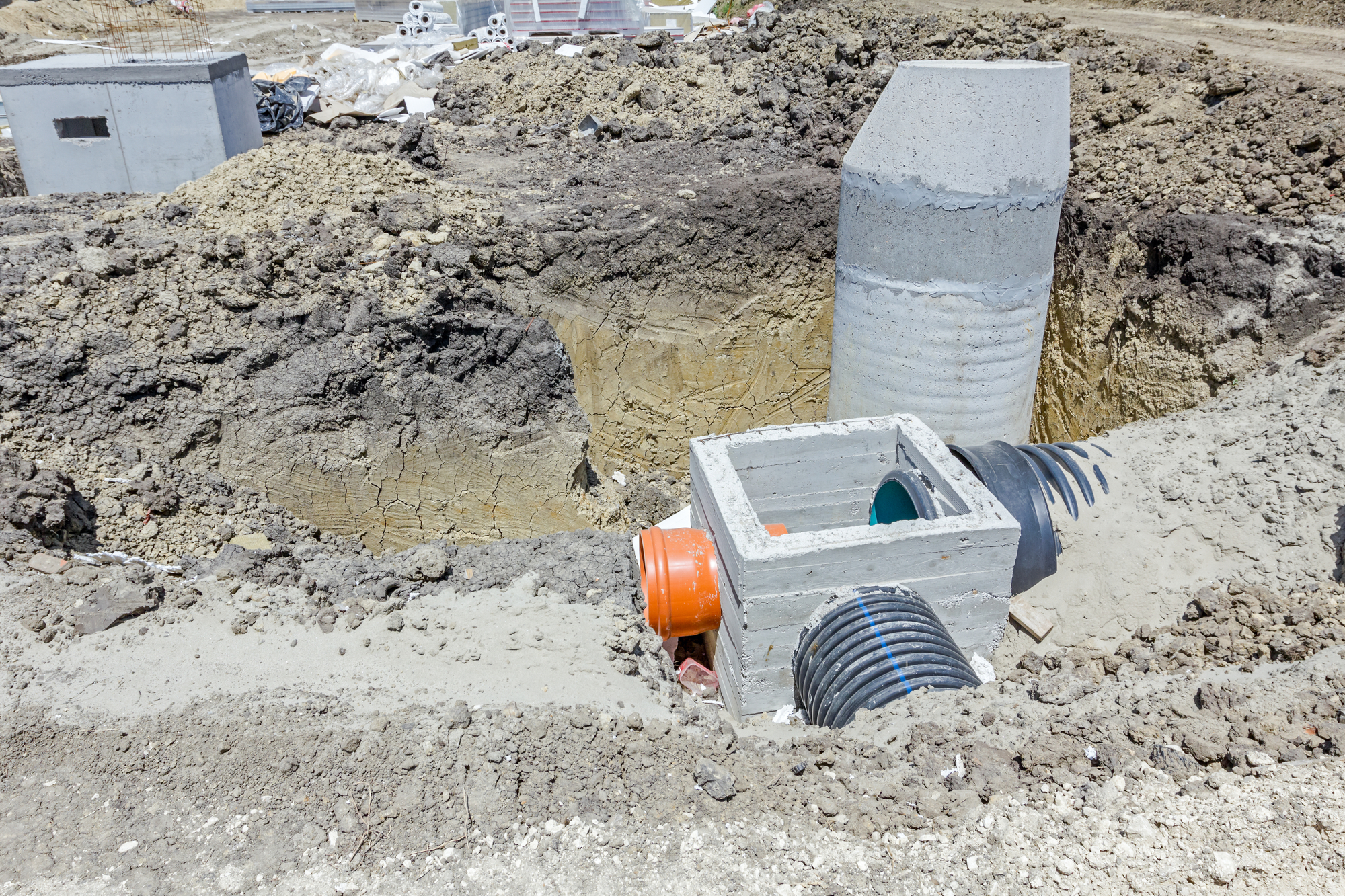
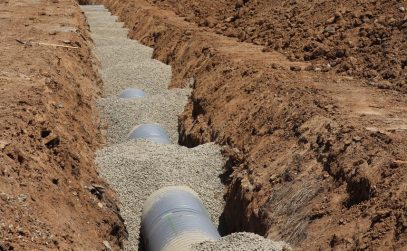
The most effective solution for high-volume downspout discharge is connecting the downspout directly to an underground pipe that carries water to a discharge point well away from the structure, such as a street gutter, drainage ditch, dry well, or municipal storm drain connection. Underground piping eliminates surface discharge entirely and handles virtually unlimited water volume from the downspout.
A pop-up emitter is a valve installed at the end of an underground downspout pipe that stays closed when dry and opens automatically under water pressure to release flow during rain events. These are installed 10 to 20 feet or more from the foundation at a point where discharge will flow away from the structure. Pop-up emitters are clean, low-maintenance, and prevent backflow into the underground pipe.
Downspout piping often integrates with broader yard drainage systems. Underground pipes from multiple downspouts can connect to French drains or catch basin systems, creating a unified drainage network that handles both roof runoff and yard flooding. This integrated approach is the most comprehensive protection available and is particularly effective when combined with proper yard grading and re-sloping to ensure surface water flows toward the drainage system rather than away from it.
The right downspout drainage solution depends on your roof configuration, number of downspouts, available discharge options, and yard topography. TurnKey Drainage provides free property assessments throughout the New Orleans metro area and designs integrated solutions that address downspout discharge as part of a complete drainage plan.
Our landscape drainage services include underground downspout piping, pop-up emitter installation, and integration with French drains and catch basin systems. Call us at (504) 608-4832 or visit our contact page to schedule your free assessment today. Explore our drain services for the complete range of drainage protection we offer throughout the New Orleans area.
A standard New Orleans home with a 1,500-square-foot roof sheds hundreds of gallons of water per hour during a heavy rainstorm. Downspouts concentrate that enormous water volume and discharge it at a single point. Without proper extension and management, that discharge point becomes a saturation zone that can damage your foundation, erode landscaping, and flood adjacent yard areas.
Downspout discharge should reach at least 4 to 6 feet from the foundation as a minimum. Underground piped discharge carrying roof runoff to a street gutter, storm drain, or other approved discharge point well away from the structure is the most effective solution in New Orleans where rainfall volumes are extreme.
A downspout drain pipe is an underground pipe connected directly to the downspout that carries roof runoff away from the foundation to a discharge point. Water enters the underground pipe at the base of the downspout and flows by gravity to the outlet, keeping the area around the foundation completely dry.
In many New Orleans area jurisdictions, connecting residential downspouts to the municipal storm drain system requires a permit. Some areas prohibit it due to storm system capacity concerns. TurnKey Drainage handles all permitting as part of underground downspout pipe installations and ensures your system complies with local regulations.
Signs include water pooling within 10 feet of your foundation after rain, erosion channels in landscaping below the downspout discharge point, staining on your foundation wall from water running down the surface, and damp or musty conditions in your crawl space or basement. All of these indicate your current downspout management is inadequate.
Underground downspout pipes should be inspected and flushed annually to clear sediment, leaf debris, and organic material. Surface extensions should be checked after storms to ensure they have not been displaced. Clean gutters and downspouts at least twice a year to prevent debris from entering the underground pipe system.


 Turnkey Drainage