Our Company Provide Service And Best Maintenance.
Our Company Provide Service And Best Maintenance.
Bathtub drain replacement in New Orleans involves replacing the drain flange, overflow plate, stopper mechanism, and in some cases the P-trap or drain pipe connection. Most homeowners experience this service when a drain component corrodes or fails, when a stopper mechanism stops working, or when persistent drainage problems prove to be structural rather than buildup-related. Here is what to expect from the process.
Most New Orleans homeowners encounter bathtub drain problems that start with slow drainage or a stopper that no longer holds water. Many of these problems are maintenance issues, addressed with cleaning or minor adjustment. But when the drain component itself has failed, cleaning does not fix the underlying problem. TurnKey Drainage provides bathtub drain replacement services throughout the New Orleans metro area, and this guide explains when replacement is needed, what the process involves, and what to expect from start to finish.
Understanding the difference between a cleaning problem and a replacement problem saves time and money. Several situations clearly call for component replacement rather than maintenance:
If your bathtub currently drains slowly and you are not sure whether the problem is buildup or structural, our guide on bathtub draining slowly covers the diagnostic process for determining which situation you are facing before committing to a solution.
Understanding what makes up the bathtub drain system helps you follow what a technician is doing during a replacement service:
The drain flange is the visible metal fitting at the bottom of the tub that water flows through. It threads into the drain shoe beneath the tub, compressing a rubber gasket that seals the connection between the metal fitting and the tub surface. When this gasket deteriorates, water leaks around the flange into the floor or ceiling below rather than flowing through the pipe.
The overflow plate is the metal cover on the front of the tub wall near the top, several inches below the tub rim. It covers the overflow drain, which prevents the tub from overfilling by providing an escape route for water before it reaches the tub rim. In trip-lever drain systems, the overflow plate also houses the lever that controls the stopper mechanism. The overflow assembly connects internally to the drain and eventually to the P-trap below.
Different tub drain systems use different stopper mechanisms. Trip-lever systems use a lever on the overflow plate that raises and lowers a plunger inside the overflow tube to block or allow drainage. Toe-tap stoppers are pressed with the foot to open and close. Push-pull stoppers twist or lift. Each mechanism has mechanical components that wear out over years of use in New Orleans hard water and humidity.
Below the drain shoe, the water enters the P-trap, the curved pipe section that retains water to block sewer gases. From the P-trap, water flows to the main drain line in the wall. The P-trap may need replacement if it has corroded through, if it has developed a leak at a joint, or if it is an older style that needs updating to current code. In New Orleans older homes, cast iron P-traps are common and sometimes need replacement as part of a broader drain system update.
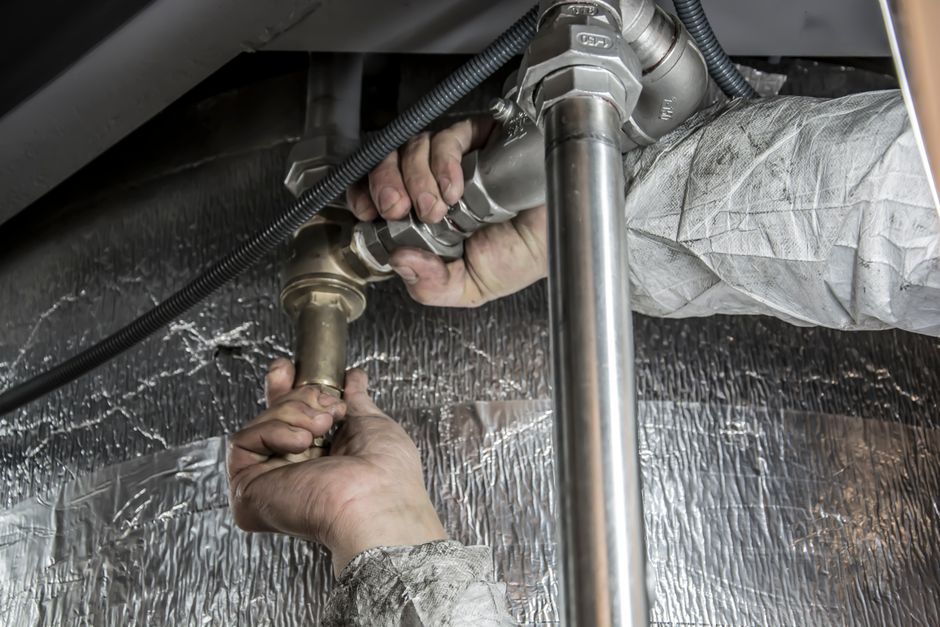
A typical bathtub drain component replacement service begins with the technician removing the existing drain flange, overflow plate, and stopper mechanism. The old components are inspected to confirm the scope of needed replacement. The drain shoe and its seal are inspected and replaced if damaged.
New components are installed in the reverse order: drain shoe first, then the new flange with a fresh seal, then the overflow assembly and stopper mechanism. The technician tests the stopper function, fills the tub to check for leaks at the flange seal, and confirms that drainage flow is normal. If P-trap work is needed, access is gained through the wall or floor depending on your home construction.
The type of access your home provides significantly affects the complexity and cost of deeper drain work. New Orleans pier-and-beam homes often have crawl space access that makes P-trap and drain pipe work straightforward. Slab homes require wall or floor access, which adds to the project scope. Our comprehensive drain replacement services include all of these scenarios.
New Orleans high humidity accelerates corrosion in drain components made from chrome-plated steel or low-grade metals. When replacing bathtub drain components, solid brass is the material of choice for longevity in this climate. Solid brass drain flanges, overflow plates, and stopper mechanisms resist corrosion significantly better than plated alternatives. The upfront cost difference is modest compared to the extended service life.
After replacement, good maintenance habits extend the life of new components. For a complete maintenance routine that keeps drain components and pipes in top condition, see our guide on keeping your bathtub drain clog-free.
TurnKey Drainage provides comprehensive bathtub drain services throughout the New Orleans metro area, including component replacement, stopper repair, P-trap replacement, and drain pipe repair. Our licensed technicians assess your specific situation and recommend the right solution at a fair, upfront price. Call us at (504) 608-4832 or visit our contact page to schedule a free estimate. Explore our complete drain services to understand all the ways we protect and maintain New Orleans plumbing systems.
Your bathtub drain likely needs replacement rather than cleaning if it leaks around the drain flange, if the stopper mechanism no longer functions properly, if you see corrosion or cracking around the drain opening, or if professional cleaning does not restore normal drainage flow, indicating damage below the fixture level rather than a buildup clog.
Replacing the drain flange, overflow plate, and stopper assembly typically takes 1 to 3 hours for an experienced technician. If the work requires access to the P-trap or the drain pipe behind the wall, additional time may be needed. Most residential bathtub drain replacements complete within a single service appointment.
Replacing the visible drain strainer or stopper is sometimes a DIY project with the right tools. However, replacing the drain flange, overflow assembly, or P-trap requires knowledge of plumbing connections and the right materials. Improper installation creates leaks that cause water damage inside the wall or floor cavity.
Bathtub drain component replacement, including the drain flange, overflow plate, and stopper assembly, typically costs $150 to $450 for parts and labor. If the work requires accessing the P-trap, cutting into the wall, or replacing a section of drain pipe, costs increase. TurnKey Drainage provides free written estimates before any work begins.
Brass drain assemblies are the preferred choice for New Orleans humid environment because they resist corrosion better than chrome-plated steel components. Solid brass drain flanges and overflow assemblies last significantly longer than cheaper alternatives in high-humidity conditions. Quality parts cost more upfront but require far less frequent replacement.
Routine bathtub drain component replacement, including drain flange, stopper, and overflow assembly, does not typically require a permit. Work that involves modifying drain pipe runs or significant plumbing changes may require permitting depending on the scope. TurnKey Drainage handles all permitting requirements as part of larger plumbing projects.


 Turnkey Drainage