Our Company Provide Service And Best Maintenance.
Our Company Provide Service And Best Maintenance.
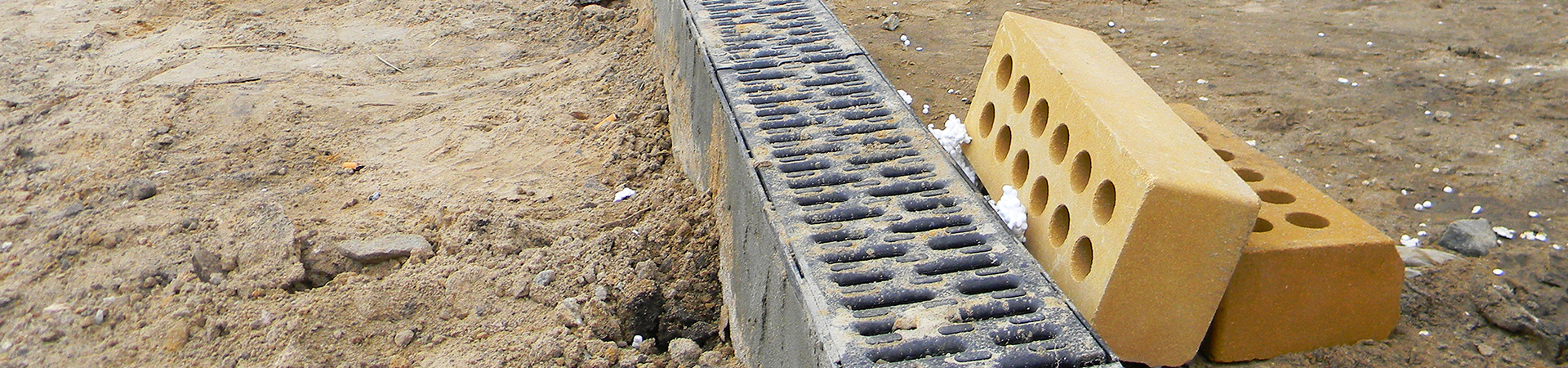
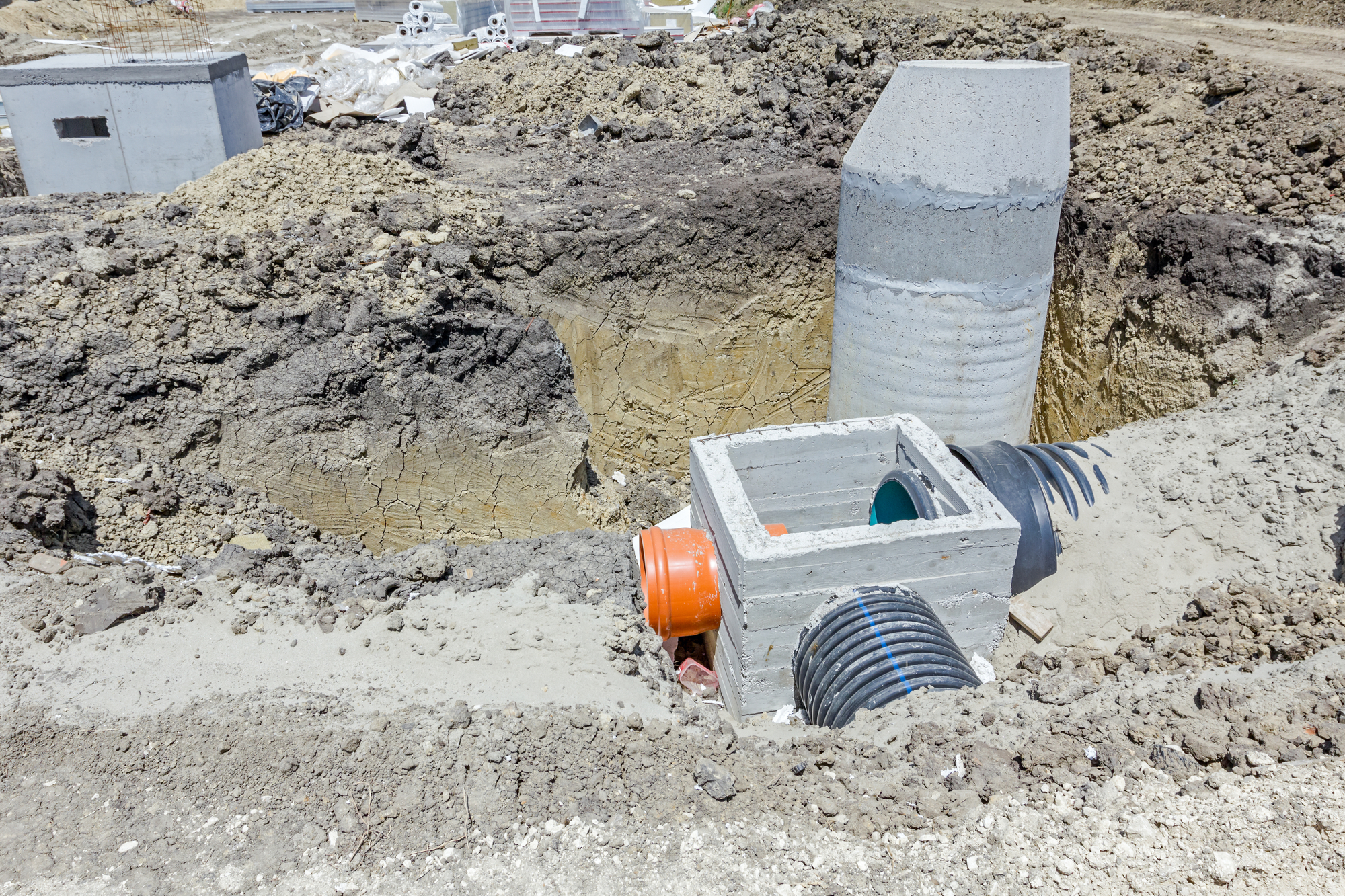
Yard grading and re-sloping correct the ground contours around your home to direct rainwater away from your foundation and toward proper drainage outlets. In New Orleans, where heavy rainfall and clay-heavy soil create persistent standing water problems, proper grading is often the most effective first step in a comprehensive drainage solution.
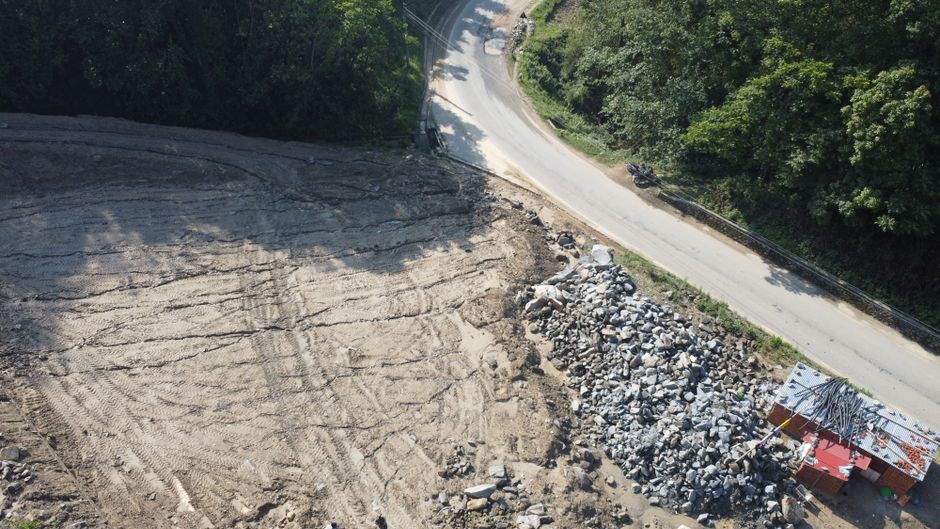
Standing water in your New Orleans yard is more than an inconvenience. It damages your foundation, destroys your lawn, creates mosquito breeding habitat, and turns your outdoor space into an unusable muddy mess for days after every rain. Before installing complex drainage systems, the most important question to answer is whether your yard is properly graded. In many cases, correcting the slope of the ground around your home solves drainage problems that homeowners have struggled with for years. TurnKey Drainage evaluates and corrects grading issues throughout the New Orleans metro area as part of our comprehensive drainage solutions.
Grading refers to the slope and contour of the ground surface around your property. Proper grading means the ground slopes away from your home in all directions, directing rainwater toward drainage outlets rather than toward your foundation, garage, or low-lying landscape areas.
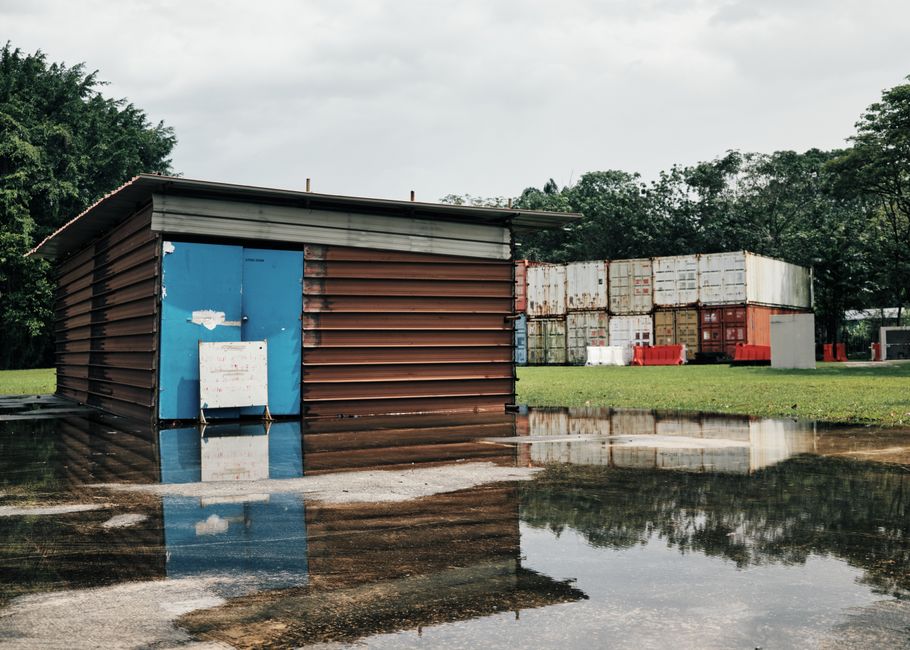
In a properly graded yard, rainwater that falls on or near your home flows outward and away from the structure. It collects in low areas designed to handle it: street gutters, drainage swales, or underground drain systems. In an improperly graded yard, water flows toward your home or pools in random low spots because the ground has settled unevenly, soil has eroded, or fill material was placed incorrectly during construction or landscaping.
New Orleans soil conditions make improper grading a particularly common problem:
Understanding why New Orleans yards flood in detail helps put grading solutions in context alongside other drainage approaches for your specific situation.
Professional yard regrading begins with a thorough assessment of the existing ground contours, identifying where water flows, where it pools, and what the ground needs to look like after correction. A drainage contractor uses levels and sometimes laser grading equipment to establish the target slope for each area of the property.
Execution involves moving, adding, or removing soil to create the desired slope. Around foundations, the goal is at minimum 6 inches of downward slope per 10 horizontal feet moving away from the house. In yard areas away from the foundation, the goal is consistent slope toward drainage outlets with no flat spots where water can pond.
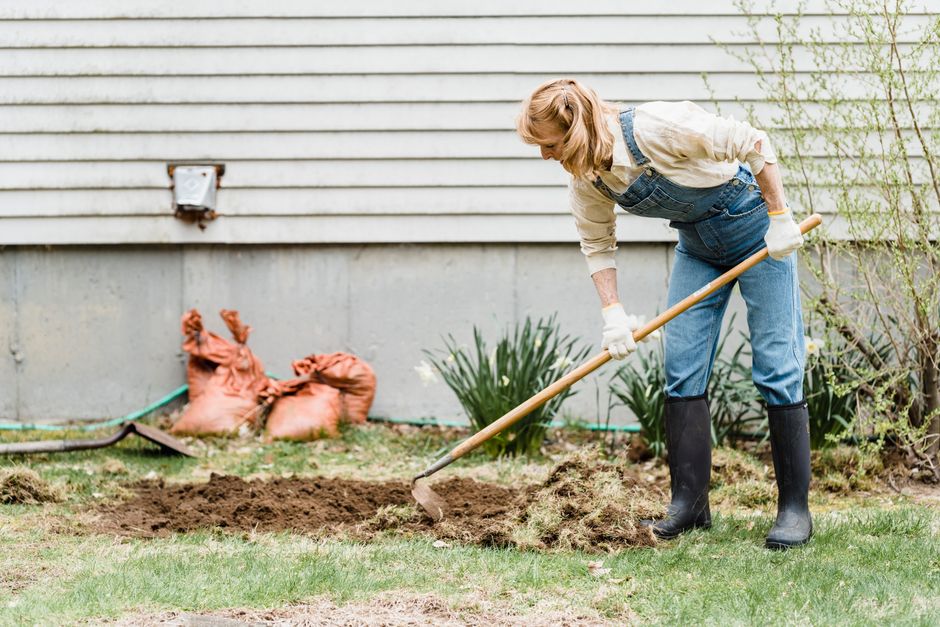
After the soil is graded, it is compacted to reduce future settling and seeded or sodded to establish ground cover that prevents erosion. In areas with particularly active erosion, erosion control fabric, rock, or ground cover plants stabilize the newly graded surface while vegetation establishes.
Regrading solves drainage problems caused by slope, but it cannot increase the rate at which your soil absorbs water or handle situations where runoff volume simply exceeds what any surface slope can redirect. Several conditions indicate that grading needs to be combined with other drainage systems:
Clay-heavy soil with very low permeability will still pond water even on a properly graded surface if the rain rate exceeds the soil absorption rate. Adding catch basins at low points in the graded surface provides an outlet for water that cannot absorb fast enough. Properties with high water tables that bring moisture to the surface from below, regardless of rain events, need subsurface drainage like French drains to intercept that upward moisture movement.
Large properties with significant runoff from adjacent areas, rooftops, or neighboring lots need drainage systems sized to handle that total volume, not just local rainfall. In these cases, regrading is the foundation of the solution but underground pipe networks and multiple catch basins complete the system.
The right grading solution depends on your specific property conditions, water sources, and drainage goals. TurnKey Drainage performs comprehensive property assessments that evaluate grading needs alongside other drainage requirements. We design solutions that address all the factors contributing to your drainage problem, not just the most obvious one.
Our landscape drainage services include grading, re-sloping, swale design, and full drainage system installation across the New Orleans metro area. Call us at (504) 608-4832 or visit our contact page to schedule your free property assessment. For the complete picture of what we offer, explore our drain services page.
Yard grading refers to the slope and contour of the ground surface around your home. Proper grading directs rainwater away from your foundation and toward drainage outlets. Poor grading, where the ground is flat or slopes toward the house, allows water to pool against the foundation and saturate the surrounding soil.
Grading costs depend on the area involved, the amount of soil needed, and the extent of re-shaping required. Small problem areas near a foundation may cost $500 to $2,000. Larger yard regrading projects can range from $2,000 to $8,000 or more. TurnKey Drainage provides free written estimates for all grading work.
Your yard likely needs regrading if water consistently pools in the same spots after rain, if the ground near your foundation is flat or slopes toward the house rather than away, if you see erosion channels in your lawn, or if water enters your crawl space or garage during heavy rain events.
Grading solves problems caused by improper slope, which is one of the most common causes of yard flooding. However, if your soil has very low permeability, if the water table is high, or if runoff volume exceeds what grading alone can redirect, additional drainage systems like French drains or catch basins will be needed alongside grading.
The ground around your foundation should slope away at a rate of at least 6 inches for every 10 feet. The rest of your yard should slope toward drainage outlets at a rate that prevents ponding but does not cause erosion. A professional drainage contractor determines the right slope for your specific site and soil conditions.
Some disruption to existing landscaping is unavoidable during regrading. Professional crews minimize damage by working carefully around established plants and restoring ground cover after grading is complete. In some cases, grading improvements create a better environment for landscaping by eliminating the standing water that damages plant roots.


 Turnkey Drainage