Our Company Provide Service And Best Maintenance.
Our Company Provide Service And Best Maintenance.
Tree roots invading drain lines are one of the most common and damaging plumbing problems in New Orleans, where mature live oaks, magnolias, and other large trees send aggressive root systems toward the moisture in underground pipes. Root intrusion causes recurring blockages, pipe cracks, and eventually complete pipe collapse if left unaddressed. Professional root clearing and pipe relining provide lasting solutions.
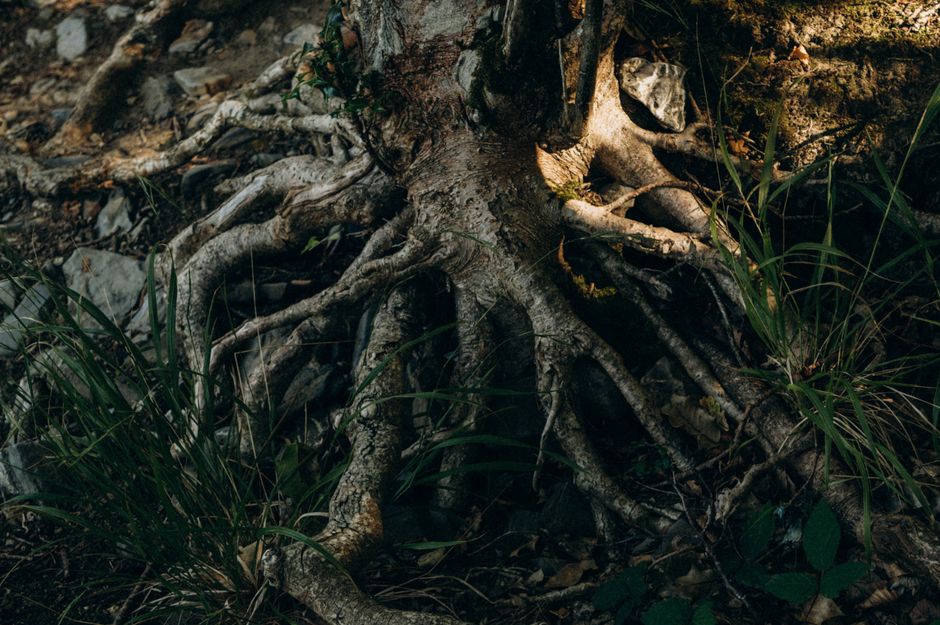
New Orleans is one of the most beautifully tree-covered cities in the United States. The same live oaks and magnolias that shade our streets and define our neighborhoods also represent a serious risk to underground drain infrastructure. Tree roots and drain pipes occupy the same underground environment, and roots always find the moisture leaking from pipe joints and cracks. At TurnKey Drainage, root intrusion is among the most common drain problems we address throughout the metro area. Here is how it happens and what you can do about it.
Tree roots grow toward moisture. Underground drain pipes constantly emit small amounts of warm, nutrient-rich moisture from joints and minor imperfections in the pipe wall. These moisture signals attract root tips from trees many feet away. Roots as thin as a human hair can enter through a pinhole crack or a slightly misaligned joint, the kind of minor imperfection common in the aging cast iron and clay pipes found throughout New Orleans historic neighborhoods.
Once inside the pipe, the root encounters an ideal environment: warmth, moisture, and nutrients from the wastewater flowing past. The root grows rapidly, branching outward and filling the pipe interior. As roots expand, they exert pressure on the surrounding pipe wall. In older clay or cast iron pipes, this pressure accelerates cracking and joint separation, inviting even more root growth and eventually causing pipe collapse in severe cases.

Several factors make New Orleans properties particularly susceptible to root intrusion compared to other cities:
Root intrusion develops gradually, so early symptoms are easy to dismiss. Recognizing them early saves significant money. Watch for recurring slow drains or blockages that clear temporarily then return within weeks. Gurgling or bubbling sounds from drains when water is draining from another fixture suggest partial blockage from root mass. Sewage odors in your yard, particularly over the drain line path, indicate roots have opened a joint enough for odor to escape. Sinkholes or depressions in the yard over the drain line path, or patches of grass that are noticeably greener or growing faster, point to pipe leaks caused by root damage.
For a complete list of warning signs that indicate drain pipe damage, see our guide on the signs you need drain repair in New Orleans homes. For information on the most severe cases, our article on cracked or collapsed drain pipes explains what happens when root intrusion progresses to pipe collapse.
Every root intrusion solution begins with a professional camera inspection. The camera reveals the location and extent of root growth, the condition of the pipe wall, whether joints have been displaced, and whether the pipe is still structurally intact enough for relining or needs replacement. Skipping the camera inspection leads to guesswork and often incomplete solutions.
For pipes that are structurally sound, professional root cutting tools remove root mass from inside the pipe. Hydro jetting at high pressure follows to scour root remnants from the pipe walls and flush debris out of the system. This restores flow immediately but does not prevent future root regrowth through the same entry points.
Pipe relining, also called CIPP (cured-in-place pipe), creates a smooth, jointless new pipe inside the existing one. The resin-saturated liner is inserted, inflated to conform to the pipe interior, and cured in place. The resulting pipe surface is completely sealed, with no joints or cracks for roots to enter. This is the most effective long-term solution for root intrusion in pipes that are still structurally intact enough to serve as a host for the liner. Learn more about trenchless drain replacement methods and how they work for different damage scenarios.
When root damage has progressed to multiple collapses or the pipe wall is too deteriorated to support relining, full replacement is necessary. Modern PVC and HDPE replacement pipes have smooth, fused joints that provide no entry points for roots, effectively ending the root intrusion problem permanently.
When planting new trees, maintain at least 10 feet of clearance from known drain lines. Choose smaller ornamental tree varieties for areas near drain lines rather than large canopy species. Slow-release copper sulfate root inhibitors can discourage root growth in certain soil types but are not a substitute for structural pipe repairs in homes with existing intrusion. For ongoing monitoring, annual camera inspections in homes with large trees near drain lines catch new root entry before it becomes a significant blockage.
TurnKey Drainage specializes in diagnosing and resolving root intrusion across the New Orleans metro area. Our drain repair services include camera inspection, root clearing, hydro jetting, and pipe relining to give your drain system lasting protection. Call us at (504) 608-4832 or visit our contact page to schedule a free assessment. You can also explore the full range of our drain services for all the ways we protect New Orleans plumbing systems.
Common signs include recurring slow drains or blockages that return quickly after clearing, gurgling sounds from drains, sewage odors in the yard, sinkholes or unusually lush grass over the drain line, and backups in multiple fixtures simultaneously. A professional camera inspection confirms root intrusion.
Live oaks, magnolias, and sweet gum trees are among the most problematic because they develop extensive, aggressive root systems. Any large mature tree within 20 to 30 feet of a drain line poses a potential intrusion risk, particularly if the pipes are older with joints and cracks where roots can enter.
Yes. Professional root cutting tools and hydro jetting can clear roots from drain pipes without excavation. For pipes with significant root damage, trenchless methods like pipe relining create a smooth new interior that roots cannot penetrate, extending the effective life of the pipe.
Not immediately. Tree roots can remain alive and continue growing in pipes for some time after the tree is removed or killed. Professional root clearing followed by pipe relining is the most effective long-term solution regardless of what happens to the tree.
Homes with known root intrusion typically need professional drain cleaning every 12 to 18 months to keep pipes flowing freely. Pipe relining eliminates the need for repeated root clearing by creating a sealed interior surface roots cannot penetrate.
Coverage varies by policy. Most standard homeowners insurance excludes damage from root intrusion because it is considered gradual damage rather than sudden and accidental. Review your specific policy and consider adding sewer line coverage as a supplement if you have mature trees near your drain lines.


 Turnkey Drainage