Our Company Provide Service And Best Maintenance.
Our Company Provide Service And Best Maintenance.
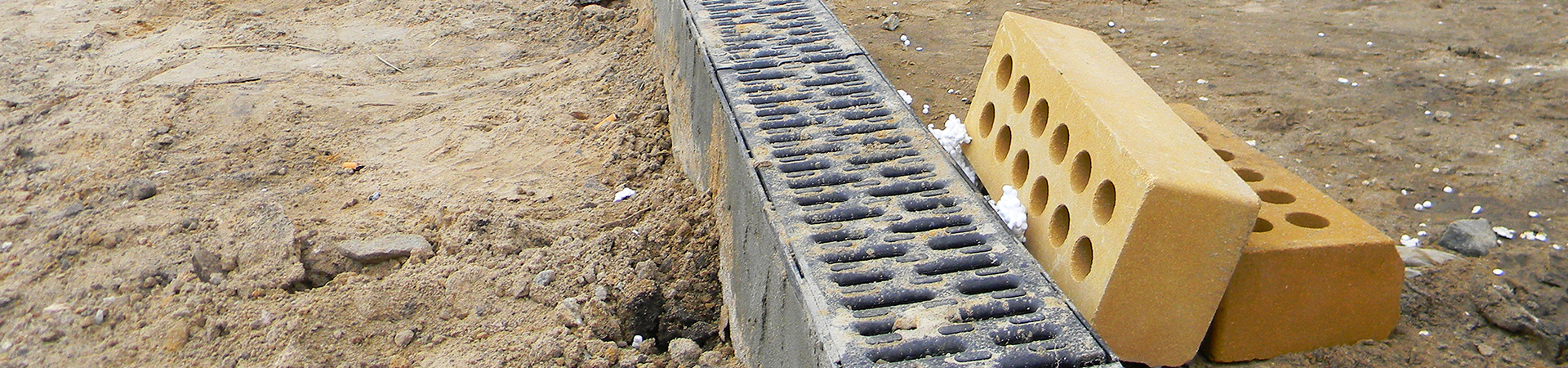
Keeping your bathtub drain clog-free in New Orleans requires consistent habits: use a drain screen, clean the stopper monthly, avoid soap bar buildup, and schedule annual professional drain maintenance. New Orleans humid climate and older pipe systems make bathtub drains more prone to buildup than in most other cities, but the right routine prevents most problems entirely.
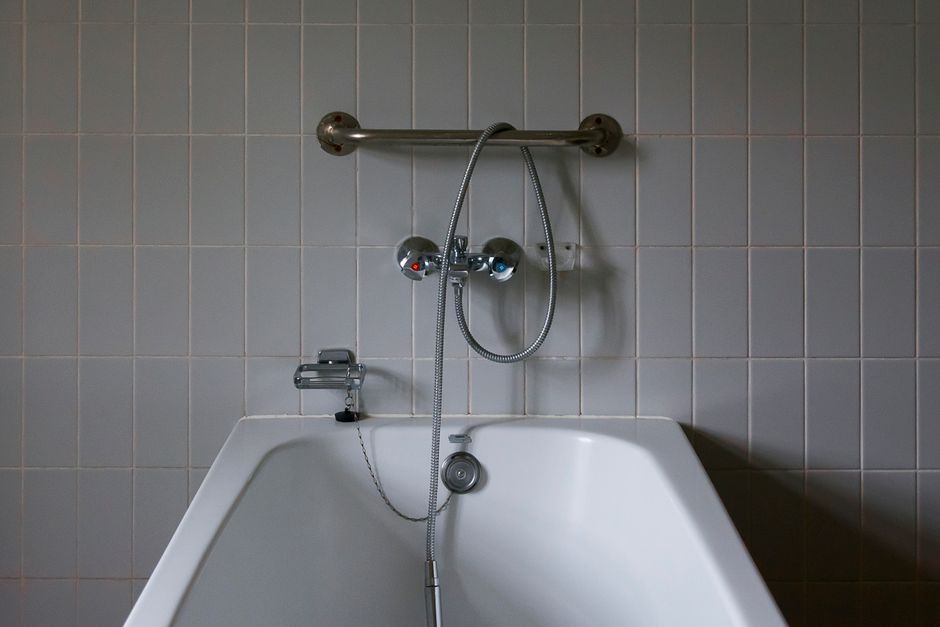
A slow or clogged bathtub drain is one of the most common plumbing complaints in New Orleans homes. It is also one of the most preventable. The right maintenance habits, combined with professional service when needed, can keep your bathtub draining perfectly year after year. TurnKey Drainage works with homeowners across the New Orleans metro area to solve and prevent drain problems before they escalate. Here is everything you need to know to keep your bathtub drain clear.
New Orleans homes face specific conditions that accelerate bathtub drain buildup compared to most other cities. Understanding these factors helps you target your prevention efforts more effectively.
Many New Orleans homes, especially those built before 1980, have cast iron drain pipes. Cast iron develops rough interior surfaces as it ages and corrodes. Hair, soap scum, and mineral deposits catch more easily on rough pipe walls than on smooth PVC. If your home has original cast iron plumbing, you need a more consistent maintenance routine than a newer home with PVC pipes.
The city’s water also carries minerals that contribute to scale buildup inside pipes. High humidity means more moisture in the air, which encourages bacterial growth in drains and produces the biofilm that accelerates clog formation. These factors combine to make bathtub drain maintenance a consistent priority for New Orleans homeowners.
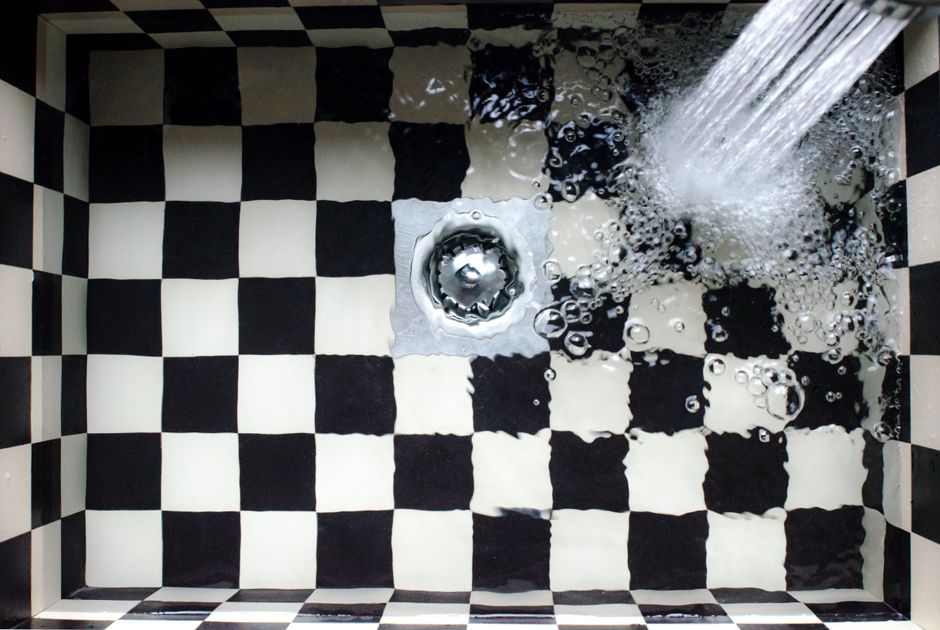
The single most effective thing you can do to prevent bathtub drain clogs is install a drain screen or hair catcher and use it every time you shower or bathe. Hair is the primary culprit in most bathtub clogs. It tangles with soap residue, accumulates, and gradually closes off the drain opening and the P-trap below it.
Choose a fine-mesh stainless steel screen sized to fit snugly over your drain opening. Avoid loose-fitting screens that hair can work around. After each shower, remove the screen and discard the collected hair in the trash. Rinse the screen clean before replacing it. This simple two-minute habit eliminates the most common cause of bathtub drain clogs.
If your bathtub has a pop-up or trip-lever drain stopper built in, the stopper assembly collects hair below the drain opening where you cannot easily see it. These require periodic cleaning of the pivot rod and the horizontal assembly beneath the drain. If your bathtub currently drains slowly and you have a built-in stopper, cleaning that assembly is the first step to try before calling a professional. For more on slow drain causes, see our guide on bathtub draining slowly.
Beyond the daily drain screen habit, a monthly maintenance routine keeps the pipe below your tub clear of soap scum and mineral buildup.
This routine takes less than 10 minutes and prevents the gradual buildup that leads to slow drains and complete clogs. Between professional cleanings, it is your best defense against drain problems.
Several common bathing products contribute to drain problems when used in excess or washed down the drain carelessly.
Bar soap leaves a harder residue than liquid soap. The soap reacts with minerals in the water to create soap scum, which sticks to pipe walls and creates a surface that catches hair and other debris. If you prefer bar soap, monthly hot water flushing is especially important. Bath oils and hair conditioning masks leave oily residues inside pipes that accumulate over time, similar to grease in a kitchen drain. If you use these products regularly, consider increasing your monthly maintenance frequency. Bath salts and bath bombs sometimes contain ingredients that crystallize inside pipes, particularly if used in large quantities.
Never pour chemical drain cleaners down your bathtub drain as a preventive measure. These products are caustic, damage pipe materials over time, and are no more effective than the baking soda and hot water methods for routine maintenance. For what else you should never put down any drain in your home, our guide on what not to pour down your drains covers the full list.
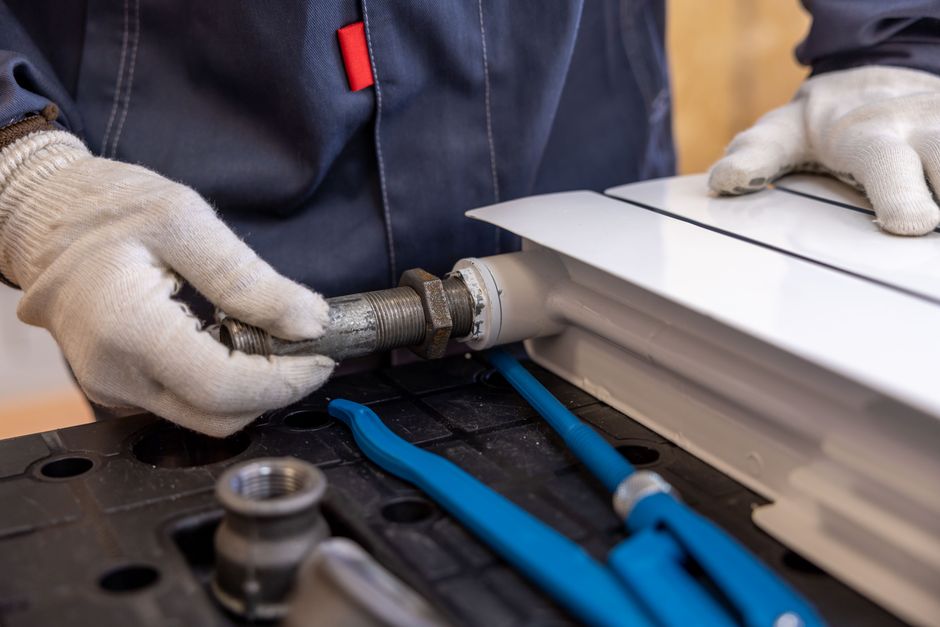
Even with perfect daily and monthly habits, professional drain cleaning once a year keeps your bathtub drain in optimal condition. Professional equipment reaches deeper into the pipe than any home method. A licensed technician can clear buildup that has accumulated beyond the P-trap, inspect the pipe condition, and identify problems early before they require costly repairs.
In New Orleans older homes with cast iron pipes, professional cleaning also removes mineral scale and corrosion byproducts that accumulate inside the pipe and cannot be dissolved by home treatments. This is part of our bathtub drain service and is typically completed quickly as part of a whole-home drain maintenance visit.
If your bathtub drain is currently slow despite your best maintenance efforts, do not wait. A slow drain becomes a blocked drain. Call TurnKey Drainage at (504) 608-4832 or visit our contact page for a free estimate. Our technicians serve the entire New Orleans area including Metairie, Kenner, Gretna, and the North Shore. You can also learn about related services through our drain services page or read about keeping your bathtub drain clog-free for additional tips.
Recurring clogs after cleaning usually indicate buildup deeper in the pipe than home methods can reach, a structural issue like a bellied pipe section where debris collects, or root intrusion in older systems. A professional camera inspection identifies the actual cause so the right solution can be applied.
Lift or unscrew the stopper and remove it from the drain. Use a paper towel or old toothbrush to remove accumulated hair and soap scum from the stopper and its pivot rod. Rinse clean and replace. Do this monthly to prevent hair from accumulating below the drain opening.
Chemical drain cleaners are not recommended for bathtub drains. They are corrosive to older pipe materials common in New Orleans homes, they rarely clear the full blockage, and they can damage the finish on your tub. Use baking soda and hot water for routine maintenance and call a professional for actual clogs.
Yes. A cup plunger, not a flange plunger, can dislodge minor bathtub clogs. Fill the tub with two inches of water to help create a seal, cover the overflow plate with a damp cloth, and plunge vigorously for 30 seconds. If drainage does not improve, call a professional rather than using chemical cleaners.
Annual professional cleaning is the standard recommendation for most New Orleans homes. Homes with older cast iron pipes, multiple household members, or a history of slow drains benefit from professional service every six months.
The white or gray buildup is a combination of soap scum and mineral scale from New Orleans water. It accumulates on the drain grate and inside the drain opening. Regular cleaning with a brush and mild acidic cleaner like white vinegar removes surface buildup. Buildup inside the pipe requires professional cleaning.


 Turnkey Drainage