Our Company Provide Service And Best Maintenance.
Our Company Provide Service And Best Maintenance.
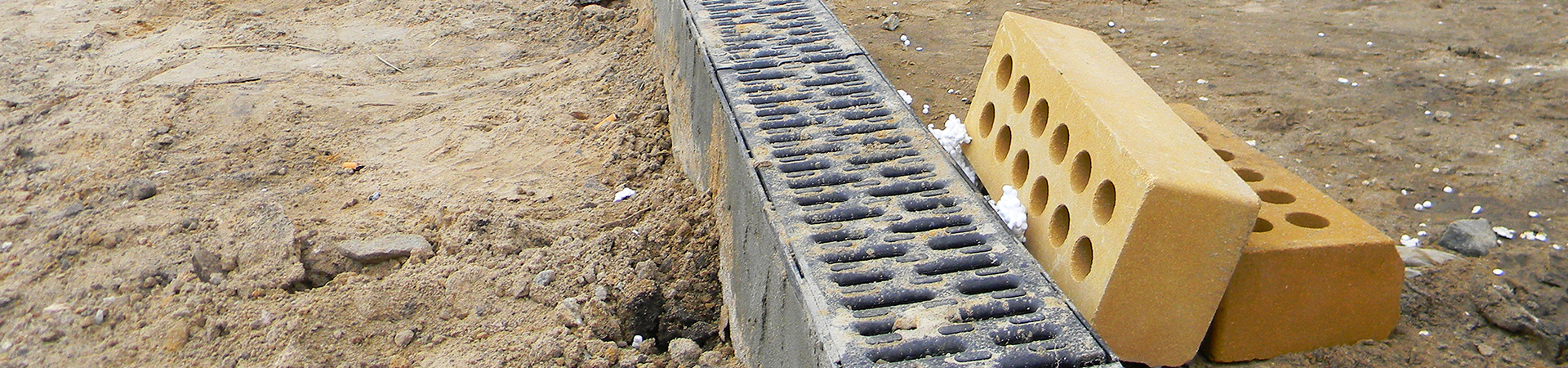
Catch basins are underground drainage structures that collect surface runoff from yards, driveways, and patios, preventing standing water from pooling on your property. In New Orleans, where heavy rainfall and below-sea-level elevation create chronic flooding challenges, properly installed catch basins are one of the most effective tools for protecting your home and landscaping from water damage.
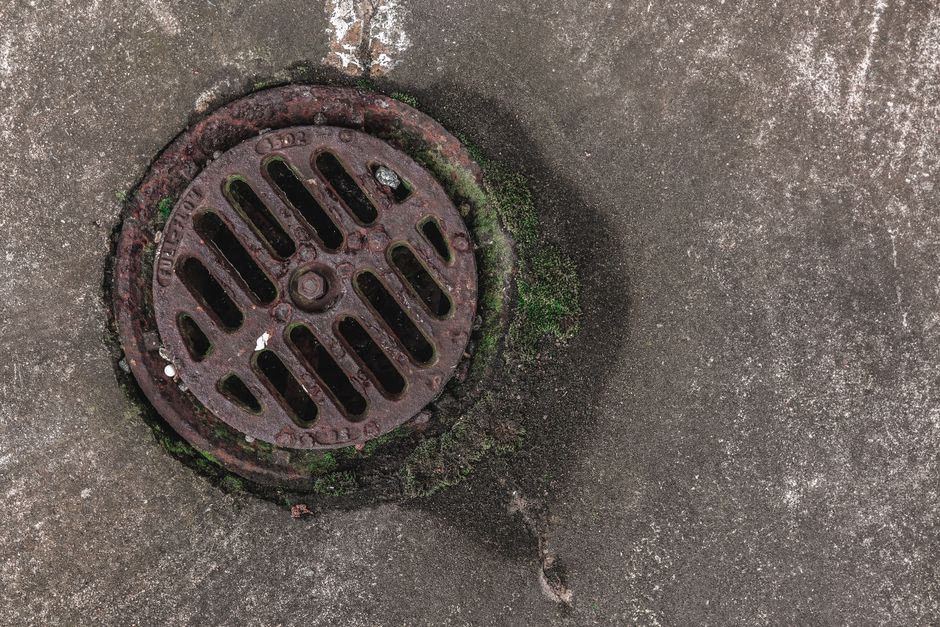
If you have ever watched your backyard turn into a temporary pond after a summer thunderstorm, you already understand the problem. New Orleans receives more than 60 inches of rain annually, and the city sits below sea level in many neighborhoods. The combination of heavy rain, poor natural drainage, and clay-heavy soil means water has nowhere to go quickly. That is where catch basins come in. At TurnKey Drainage, we install and service catch basins throughout the New Orleans area, and we want to help you understand how they work and whether your property could benefit from one.
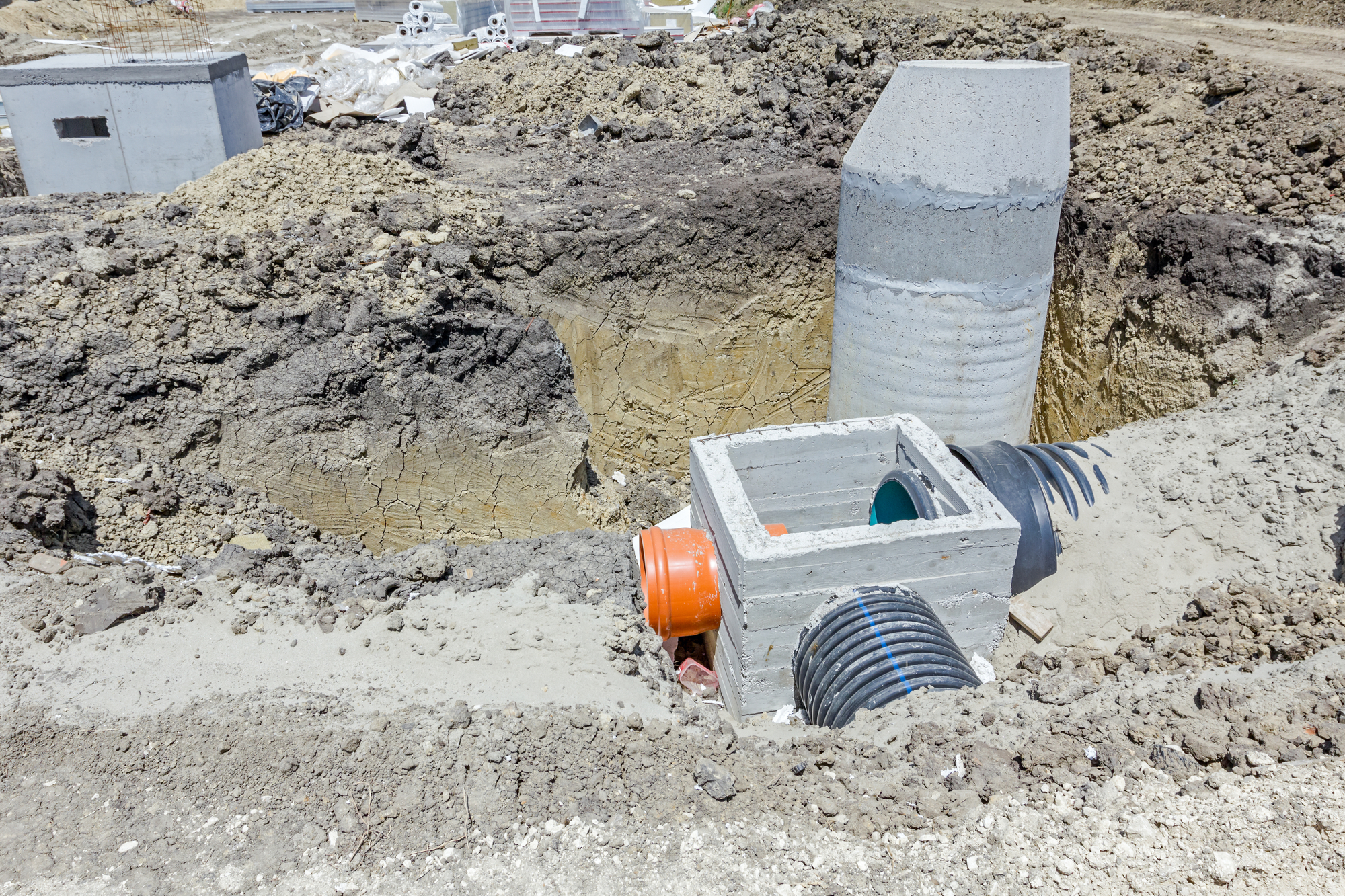
A catch basin is a below-ground drainage box with a grated opening at the surface. Rainwater and runoff flow through the grate and collect in the basin below. From there, a pipe carries the water away from your property to a storm drain, drainage ditch, or other approved discharge point. The basin itself acts as a settling chamber where sediment, leaves, and debris drop to the bottom rather than entering the pipe system and causing blockages.
Catch basins are different from simple drain inlets. The recessed sump at the bottom traps debris so your underground pipes stay cleaner longer. This design is particularly valuable in New Orleans, where storms deposit heavy leaf fall, mulch, and organic matter that would otherwise clog a standard drain pipe quickly.
Standing water on your property is more than an inconvenience. It creates several serious risks specific to the New Orleans environment:
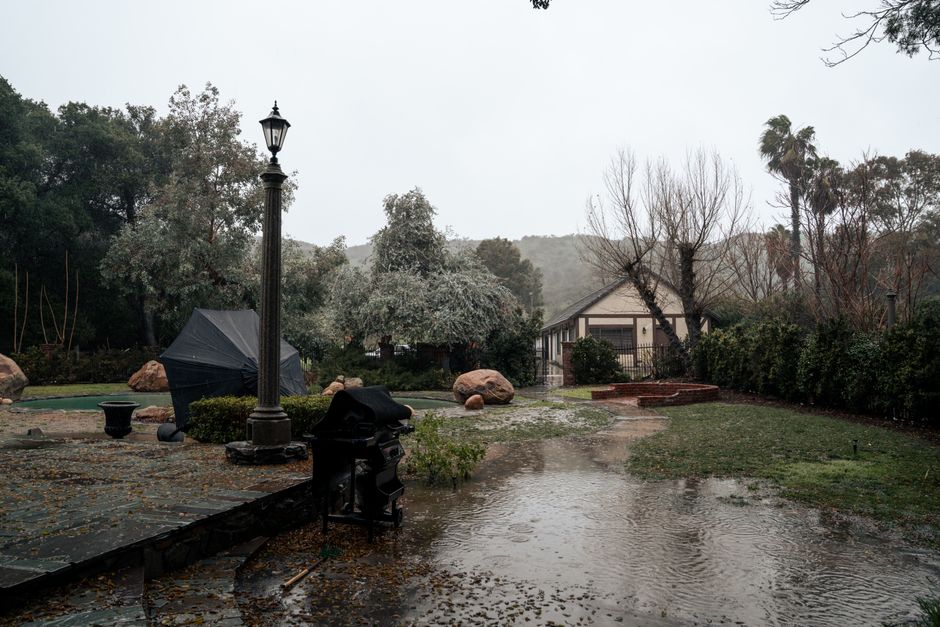
A correctly positioned catch basin intercepts runoff before it reaches these vulnerable areas. Paired with a well-designed underground pipe network, a single catch basin can transform a chronically wet property into one that drains cleanly after even heavy storms. Our landscape drainage services include full property assessments to determine where catch basins will deliver the most protection.
Not all catch basins are the same. The right type depends on the volume of water you need to manage, the location on your property, and the discharge options available.
These are the workhorses of residential drainage. Precast concrete basins are durable, heavy, and designed to handle large volumes of runoff. They are ideal for low-lying areas of a yard where water consistently collects. The cast iron or steel grate on top is rated for pedestrian and sometimes vehicular traffic.
Lighter weight and easier to install, polymer basins are a cost-effective option for smaller properties or areas with lower runoff volumes. They resist corrosion, which is a real advantage in New Orleans humid, chemically active soil environment. Many modern residential installations use polymer basins connected to PVC drain pipe.
In driveways and patios, channel drains collect runoff along their entire length and deposit it into a catch basin at one end. This approach works well when water sheets across a large paved area rather than pooling in a single spot. If you are comparing options for paved surfaces, our guide on channel drains vs. French drains covers the differences in detail.
Placement is everything. Installing a catch basin in the wrong location provides little benefit and may actually redirect water toward a new problem area. Professional drainage contractors assess your property’s topography, soil conditions, and water flow patterns before recommending placement.
Common placement locations include the lowest point of the yard where water naturally collects, at the base of a slope where runoff accelerates, near downspout discharge zones, at the edge of driveways or patios where runoff exits the pavement, and along fence lines where water pools against barriers. Properties with yard flooding issues often benefit from multiple basins connected by underground pipe, all draining to a single discharge point.
Catch basins work well alongside other drainage solutions. Many New Orleans properties combine them with French drain systems to address both surface runoff and subsurface water movement. Understanding why New Orleans yards flood helps determine which combination is right for your property.
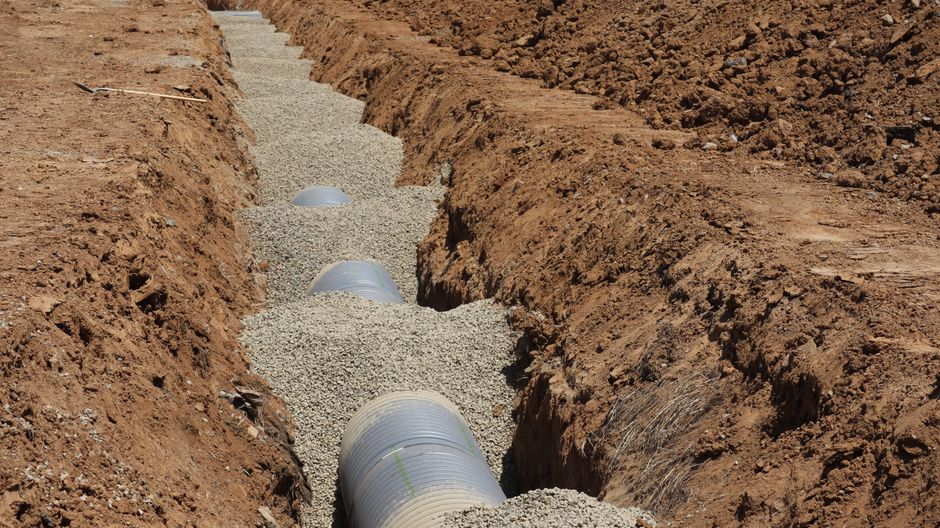
Catch basins require periodic cleaning to function properly. The sump collects sediment, debris, and organic matter over time. When the sump fills up, debris begins entering the outlet pipe, eventually causing blockages that eliminate drainage entirely.
In New Orleans, where storms deposit heavy loads of leaves, mulch, and organic debris, annual cleaning is the minimum recommendation. Properties near mature trees, especially live oaks, may need cleaning twice a year. Signs that your catch basin needs service include water draining slowly through the grate, visible debris buildup visible through the grate, and water pooling around the basin even during light rain.
Professional cleaning involves removing the grate, vacuuming or scooping out accumulated sediment, inspecting the outlet pipe, and flushing the system to confirm it flows freely. This service is part of our broader drain services and can typically be completed in under an hour for a standard residential basin.
If your yard floods after every rain, if you notice water pooling near your foundation, or if existing drainage structures seem overwhelmed, it is time to get a professional drainage assessment. Catch basins are most effective when sized and positioned correctly as part of a comprehensive drainage plan.
The team at TurnKey Drainage provides free property assessments throughout the New Orleans metro area. We evaluate your drainage challenges, recommend the right solution, and install systems that handle Louisiana’s intense rainfall season. Call us at (504) 608-4832 or visit our contact page to schedule your free estimate. You can also learn more about foundation protection in our related article on foundation drainage in New Orleans.
A catch basin is a below-ground drainage box with a surface grate that collects rainwater and runoff. Water enters through the grate, sediment settles to the bottom of the sump, and clean water exits through an outlet pipe to a storm drain or discharge point. This keeps both your yard and the underground pipe system clear of debris.
Catch basin installation costs vary based on the size of the basin, depth of installation, pipe run length to the discharge point, and site conditions. TurnKey Drainage offers free property assessments and written estimates so you know the exact cost before any work begins.
Most residential catch basins in New Orleans should be cleaned at least once a year. Properties near mature trees or in areas with heavy debris loads may need cleaning twice annually. A full basin will eventually block the outlet pipe, eliminating drainage entirely.
A properly sized catch basin connected to an adequate outlet pipe can manage most residential storm runoff. For properties that flood during extreme rain events, a system with multiple basins or a combination of catch basins and French drains provides the most comprehensive protection.
In most New Orleans area jurisdictions, drainage work that connects to the municipal storm system requires a permit. TurnKey Drainage handles all permitting as part of the installation process so you are not responsible for navigating local requirements yourself.
Yes. By eliminating the standing water that mosquitoes breed in, a properly functioning catch basin significantly reduces mosquito populations on your property. In New Orleans warm climate, this is one of the most practical benefits of good yard drainage.


 Turnkey Drainage