Our Company Provide Service And Best Maintenance.
Our Company Provide Service And Best Maintenance.
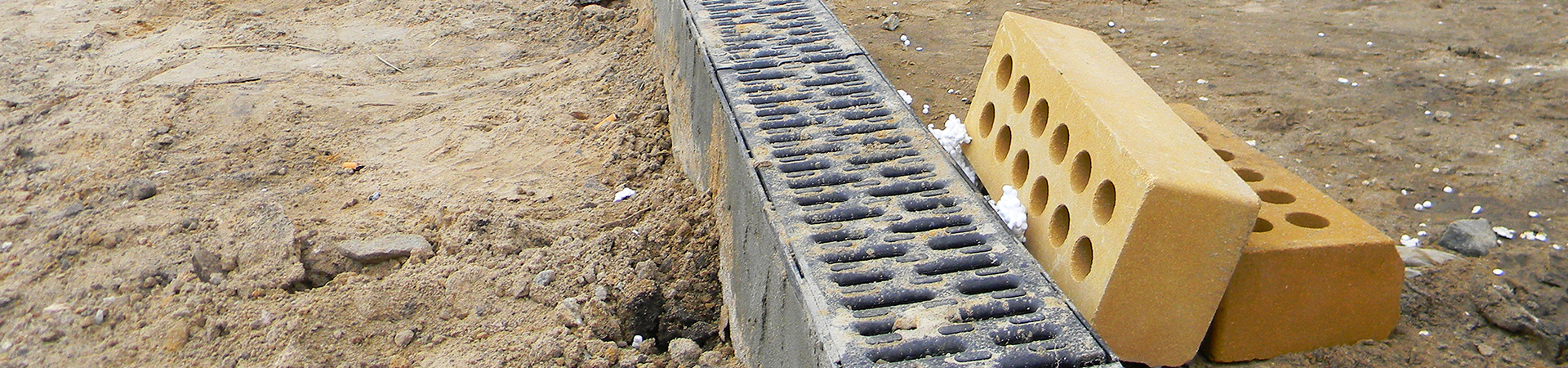
Foundation drainage in New Orleans is critical because the city’s below-sea-level elevation, high water table, and clay-heavy soil create relentless pressure on residential slabs and pier-and-beam foundations. Without proper drainage directing water away from your foundation, moisture infiltration causes settling, cracking, and long-term structural damage that is expensive to reverse.
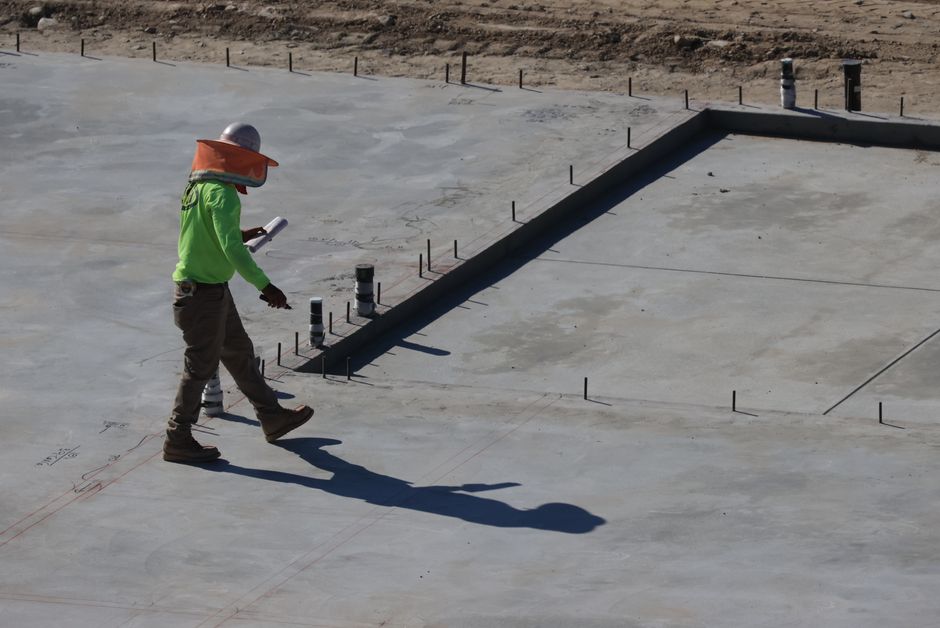
New Orleans homeowners already know that water is the enemy of almost everything in this city. But many do not realize how directly the drainage conditions around their home affect their foundation until cracks appear in walls or doors start sticking. Foundation damage caused by poor drainage is one of the most expensive problems a homeowner can face, and it is largely preventable. TurnKey Drainage specializes in drainage solutions that protect New Orleans foundations from the unique water management challenges of our environment.
Most of New Orleans sits below sea level. The ground is composed of soft, compressible alluvial soils deposited over centuries by the Mississippi River. These soils hold water, shift under load, and compress over time, a process called subsidence that causes New Orleans to sink gradually year after year. The water table in many neighborhoods sits just one to three feet below the surface.
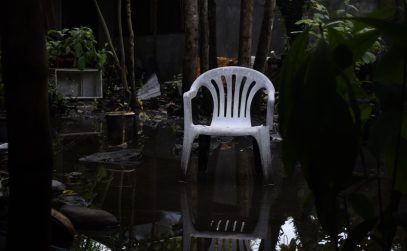
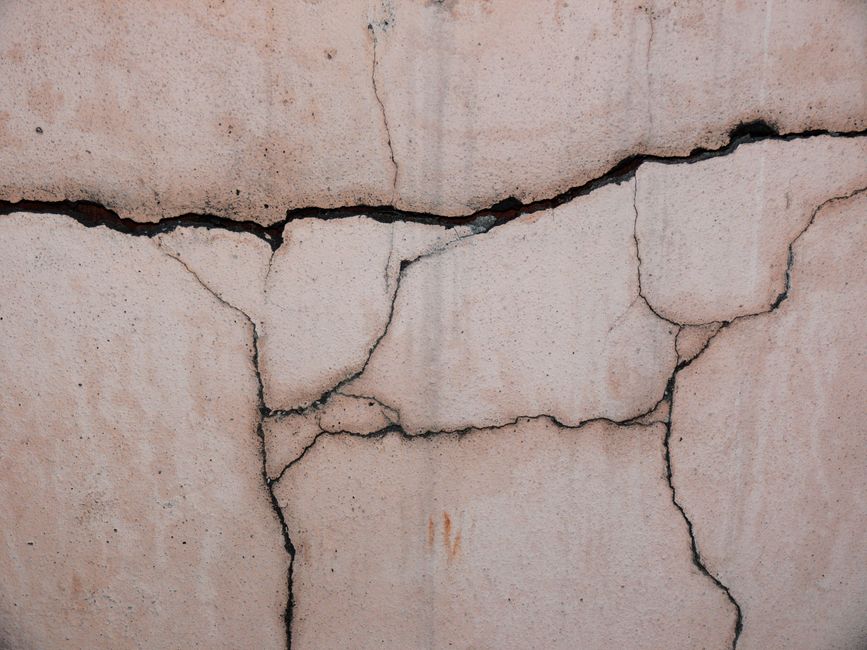
When rainwater collects near your foundation instead of draining away, it saturates the soil immediately adjacent to and beneath your slab or piers. Saturated soil loses its load-bearing capacity. Concrete slabs can crack and settle unevenly. Pier-and-beam foundations can shift when the soil supporting individual piers compresses or erodes.
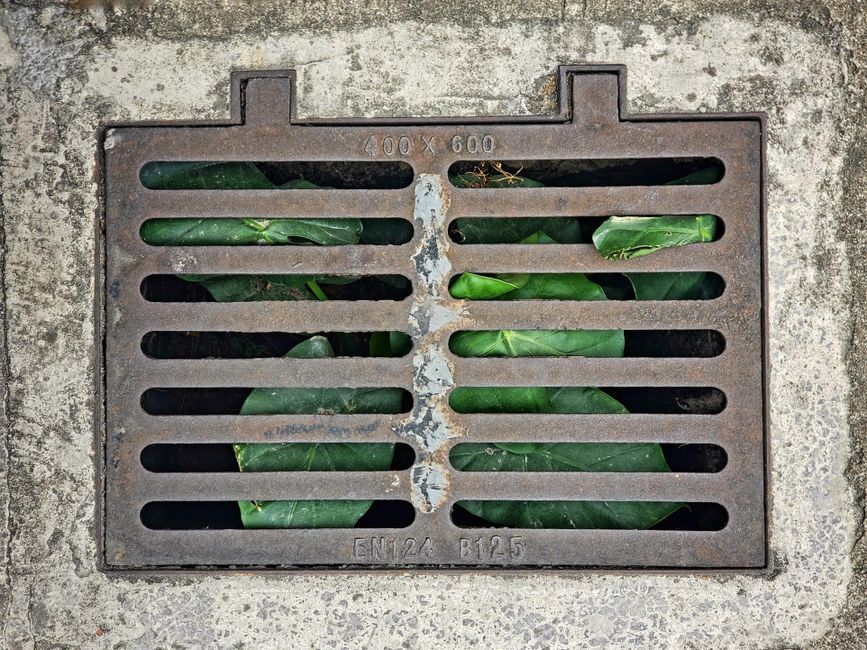
Surface runoff is the most obvious pathway: rainwater that flows across your yard toward your home instead of away from it. This happens when the ground around your foundation is flat or slopes toward the house. A minimum slope of 6 inches over the first 10 feet away from the foundation is the standard recommendation.
Downspout discharge is a frequently overlooked contributor. Gutters collect enormous volumes of water during a storm. If downspouts discharge directly against your foundation or within 3 to 4 feet of it, that concentrated water saturates the soil rapidly. Proper downspout extensions or underground discharge lines are often a simple and inexpensive first fix.
Subsurface water movement is the hardest pathway to see. In New Orleans high water table environment, groundwater moves laterally through soil and pushes toward your foundation even without direct surface runoff. This is where subsurface drainage systems are essential. Our article on French drains in New Orleans explains how these systems intercept subsurface water before it reaches your foundation.
The first and most fundamental step is ensuring the ground around your home slopes away from the foundation at the proper grade. Over time, soil settles, landscaping changes, and mulch accumulates against the foundation, reversing proper slope. Regrading corrects this without major excavation in most cases and is often the most cost-effective first step.
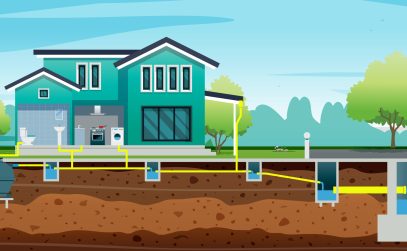
For properties where subsurface water pressure is the primary issue, a perimeter French drain installed around the foundation intercepts groundwater before it saturates the soil against your slab or piers. The perforated pipe collects water and carries it to a discharge point well away from the structure.
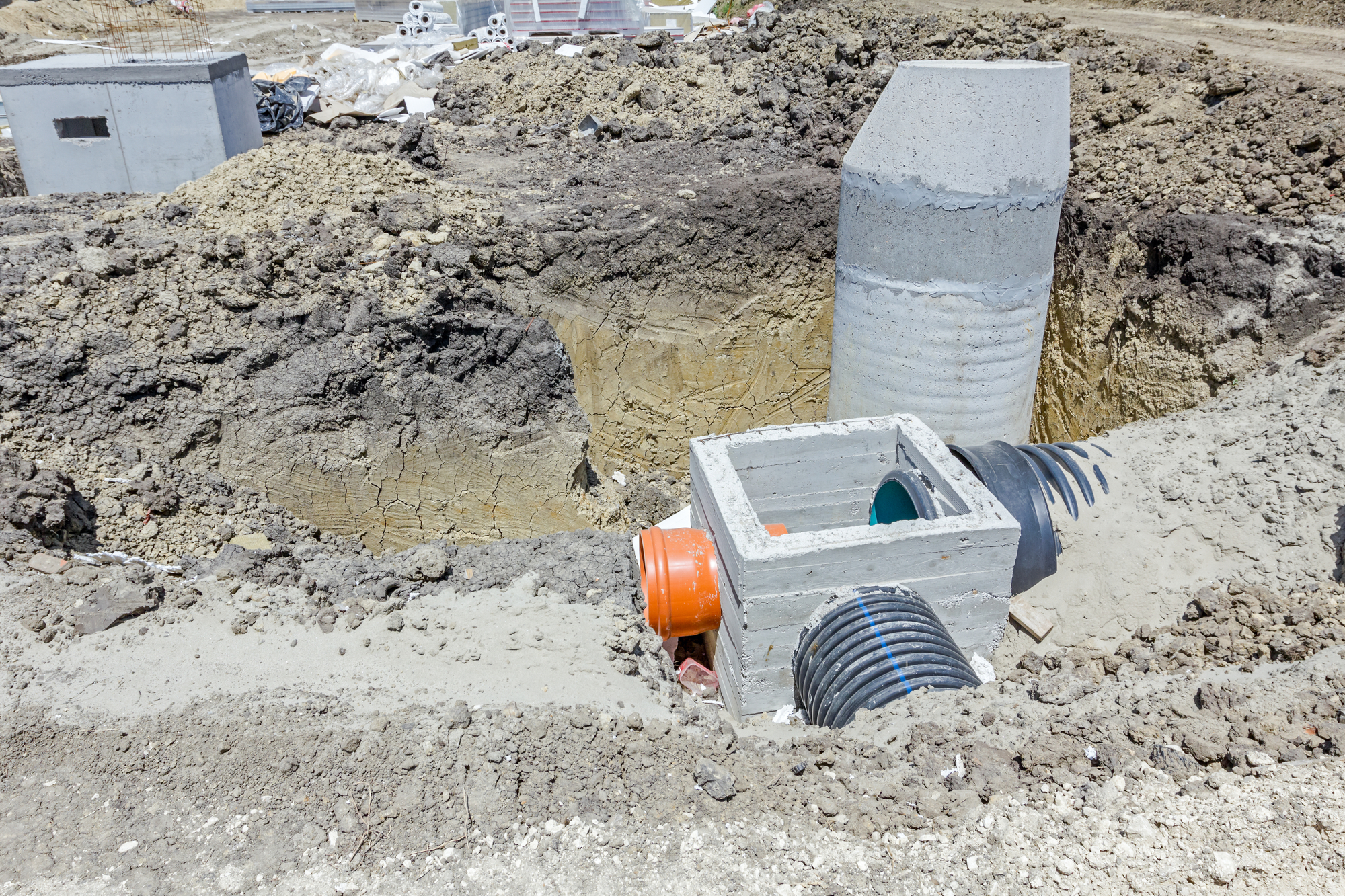
Low spots near the foundation that collect runoff benefit from catch basins connected to underground pipe networks. These capture water at the surface before it saturates the soil. Read our full explanation of how catch basins protect New Orleans properties for more detail on this approach.
Connecting downspouts to underground pipes that carry roof runoff well away from the foundation is one of the highest-value improvements many New Orleans homeowners can make. Our guide on downspout drainage solutions covers the options in detail.
Foundation repair in New Orleans is expensive: pier replacement, mudjacking, and slab leveling projects routinely cost $5,000 to $30,000 or more. Proper drainage installed proactively costs a fraction of that and prevents the damage from occurring in the first place. Our landscape drainage services include full property assessments to identify how water is reaching your foundation.
Call TurnKey Drainage at (504) 608-4832 or visit our contact page to schedule a free drainage assessment for your property. Early intervention is always less expensive than repair. You can also explore the full range of our drain services to understand all the ways we can protect your New Orleans home from water damage.
Warning signs include water pooling near your foundation, sticking doors and windows, diagonal cracks from door and window corners, gaps between walls and ceilings, and musty odors in lower levels. Any combination of these signs warrants a professional drainage and foundation assessment.
Water should drain away from your foundation at a slope of at least 6 inches over the first 10 feet. Downspout discharge should be directed at least 4 to 6 feet from the foundation, and ideally connected to underground pipes that carry water even farther away.
Yes. A perimeter French drain intercepts both surface and subsurface water before it saturates the soil against your foundation. In New Orleans high water table environment, French drains are one of the most effective tools for protecting foundations from moisture-related settling and damage.
Simple fixes like extending downspouts and redirecting surface water are DIY-friendly. Subsurface drainage systems, proper grading, and underground pipe networks require professional assessment and installation, particularly in New Orleans complex soil and water table conditions.
Costs vary depending on scope. Downspout extensions are inexpensive. French drain perimeter systems typically range from $1,500 to $8,000 or more depending on property size and conditions. TurnKey Drainage provides free written estimates so you know the cost before committing.
Most standard homeowners insurance policies exclude gradual damage caused by ongoing water exposure. Coverage typically applies only to sudden and accidental events. Installing proper drainage before damage occurs is far less expensive than paying for foundation repairs out of pocket.


 Turnkey Drainage