Our Company Provide Service And Best Maintenance.
Our Company Provide Service And Best Maintenance.
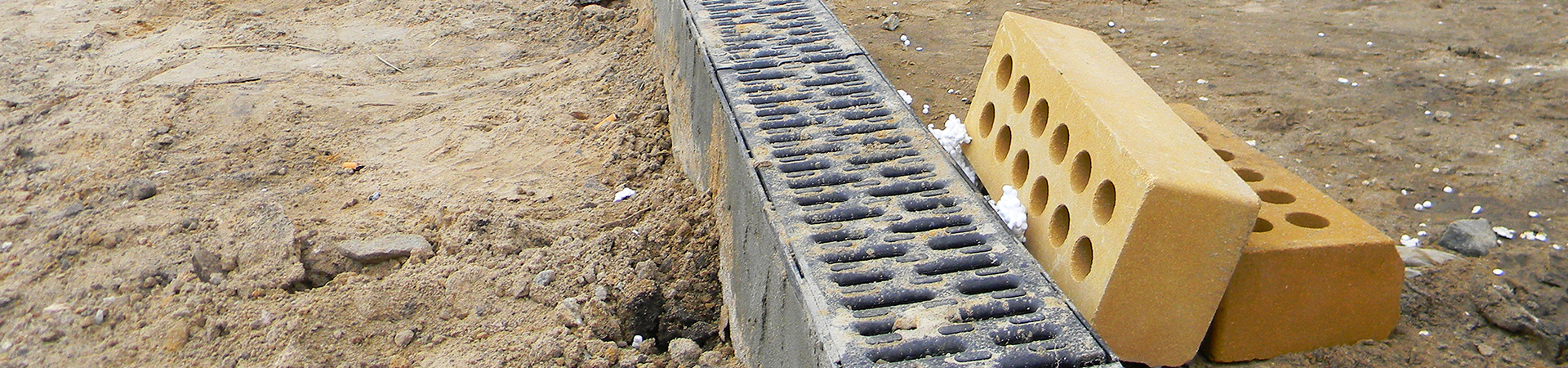
Proper garbage disposal use and regular kitchen drain maintenance prevent the grease buildup, food debris accumulation, and biofilm growth that cause the majority of kitchen drain problems in New Orleans homes. The right habits at the sink combined with annual professional drain cleaning keep your kitchen plumbing flowing reliably year after year.
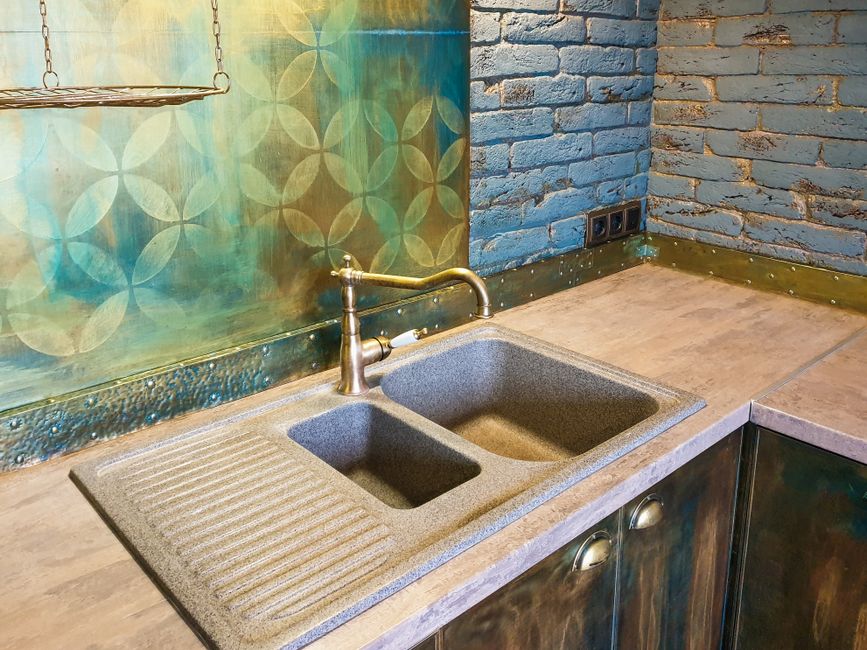
The kitchen is the hardest-working drain in your home. Every meal, every dish washed, and every time the disposal runs sends a combination of water, food particles, grease, and soap through the same set of pipes. In New Orleans, where cooking culture produces more fats and oils than the national average, kitchen drains face a tougher challenge than in most households. TurnKey Drainage serves kitchens throughout the metro area, and we see firsthand how proper disposal and maintenance habits make the difference between a drain system that lasts and one that requires constant service calls.
Your kitchen sink drain connects to a P-trap, the curved pipe beneath the sink that holds water to block sewer gases. From the P-trap, the drain connects to the main drain line. If you have a garbage disposal, it mounts between the sink basket and the P-trap, grinding food waste before it enters the drain line.
The most vulnerable part of this system is the stretch of pipe between the P-trap and the main drain line. This section often has one or more horizontal runs where grease and food particles accumulate rather than flushing through cleanly. In older New Orleans homes, this section may be the original cast iron with a rough interior surface that collects buildup far faster than smooth modern PVC.

The garbage disposal is a useful appliance when used correctly, but it is also one of the most abused pieces of kitchen plumbing in New Orleans homes. Follow these guidelines to keep your disposal functioning and your drain lines clear:
Run cold water, not hot, when using the disposal. Cold water keeps fats and oils solid so they can be ground up and flushed through the system. Hot water liquefies grease, which then coats the inside of your drain pipes as it cools downstream, creating buildup that accumulates over time.
Start cold water flowing before turning on the disposal. Continue running water throughout the grinding cycle. Keep water flowing for at least 30 seconds after you turn the disposal off. This flushes ground material through the P-trap and down the drain line rather than allowing it to settle near the disposal outlet.
Do not dump a large volume of food into the disposal at once. Feed material gradually so the disposal can grind and flush material completely before more is added. Overloading the disposal motor strains the unit and can cause motor burnout or a jammed grinding plate.
The disposal is designed for small amounts of incidental food residue from rinsing dishes, not bulk food processing. Never put cooking grease, oils, or fats into the disposal. Never put fibrous vegetables, starchy foods, eggshells, coffee grounds, bones, shellfish shells, or fruit pits into the disposal. For a complete list of what never belongs in any drain or disposal, see our guide on what not to pour down your drains. For details specific to grease in kitchen drains, our article on grease and kitchen drain prevention is the most thorough resource we have produced on this topic.
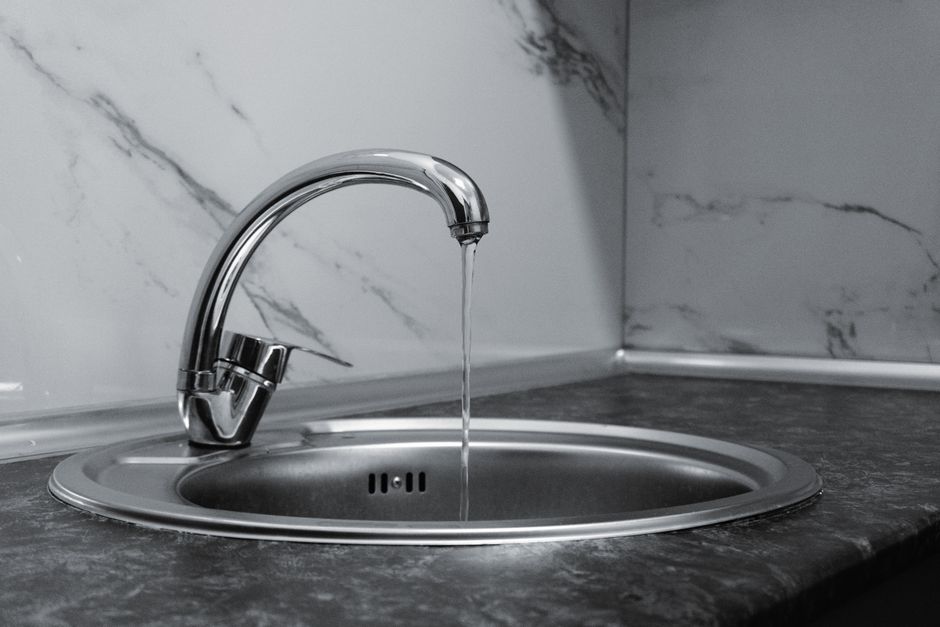
A simple monthly maintenance routine prevents the gradual buildup that leads to slow drains and eventual blockages:
These steps take 10 to 15 minutes total and significantly reduce the rate at which buildup accumulates between professional cleanings. If you are experiencing recurring kitchen drain problems despite good maintenance habits, see our analysis of why your kitchen drain keeps clogging for common underlying causes specific to New Orleans plumbing.
Call a professional drain service when the kitchen sink drains noticeably slower than normal and does not improve after maintenance, when gurgling sounds come from the drain during or after use, when water backs up into the opposite basin of a double sink or into the dishwasher, or when odors persist despite regular cleaning. These signs indicate buildup or a blockage beyond what home maintenance can address.
TurnKey Drainage provides professional kitchen drain services throughout the New Orleans area including hydro jetting, professional drain snaking, and complete drain line inspections. Call us at (504) 608-4832 or visit our contact page to schedule a free estimate. You can also explore all of our drain services to understand the full range of protection we provide for your home plumbing system.
Never put cooking grease or oil, fibrous vegetables like celery or artichokes, starchy foods like rice, pasta, or potato peels, eggshells, coffee grounds, bones, shellfish shells, fruit pits, or large food scraps in the garbage disposal. These items cause blockages in the disposal itself or in the drain lines downstream.
Signs include slow drainage from the kitchen sink, gurgling sounds when the disposal runs, water backing up into the opposite sink basin in a double sink, and drain odors coming from the disposal opening. A professional kitchen drain inspection identifies whether the disposal or the drain line downstream is the source of the problem.
To clean and deodorize your disposal, run cold water, turn on the disposal, and drop in a handful of ice cubes followed by rock salt or a disposal cleaning tablet. For freshening, grind small citrus peel pieces. Never use chemical drain cleaners in the disposal as they damage the grinding components and seal materials.
Run cold water, not hot. Cold water keeps fats and oils solid so they can be ground up and flushed through rather than liquefying and coating the pipe walls downstream. Run cold water for at least 30 seconds after you finish using the disposal to flush ground material through the drain line.
Persistent kitchen drain odors usually indicate biofilm, a layer of organic material and bacteria, coating the inside of your drain line beyond the P-trap. Monthly baking soda and hot water maintenance helps reduce surface biofilm, but professional hydro jetting removes deep buildup that home methods cannot reach.
New Orleans homeowners who cook regularly with oils and fats should schedule professional kitchen drain cleaning at least once a year. Households with heavy cooking habits or older cast iron pipes may benefit from professional service every six months to prevent grease and food residue from accumulating to clog-causing levels.


 Turnkey Drainage