Our Company Provide Service And Best Maintenance.
Our Company Provide Service And Best Maintenance.
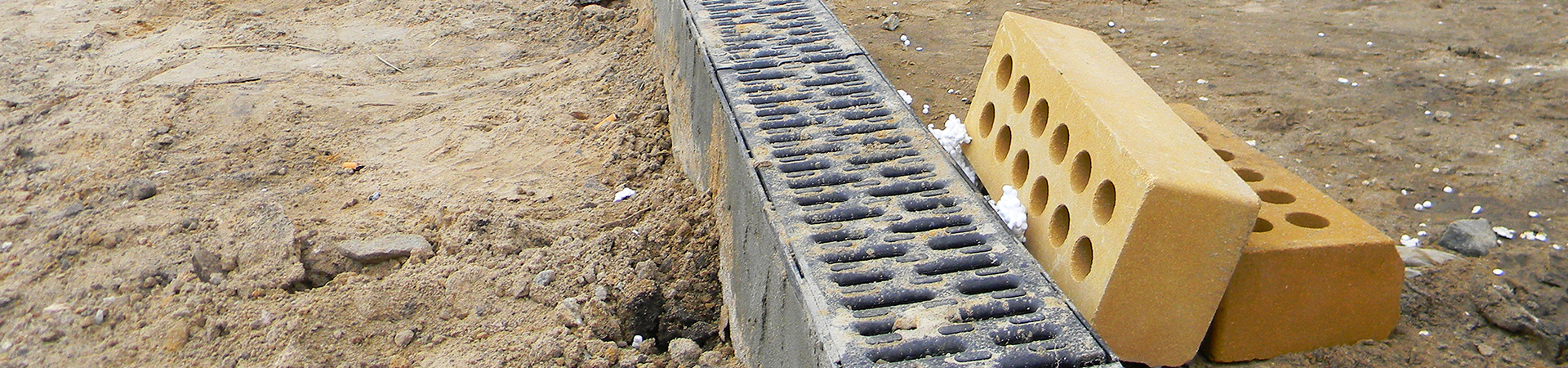
New Orleans landscaping faces constant erosion risk from intense rainfall, poorly managed runoff, and the soft alluvial soil that defines the region. Proper drainage that controls the velocity and direction of water flow is the most effective tool for protecting plantings, lawn areas, and hardscape from the gradual damage of erosion in our climate.
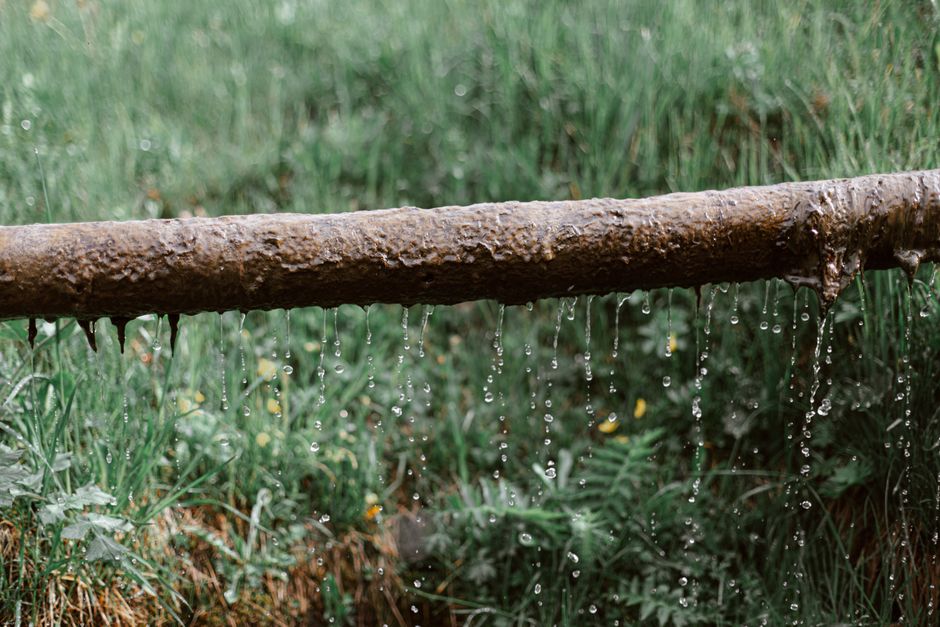
You invested in your New Orleans landscaping: plants, sod, mulch, garden beds, and hardscape. Now every rainstorm washes mulch into the street, cuts channels through your lawn, and deposits silt in the lowest corner of your property. Erosion is one of the most visible signs of a drainage problem, and it gets worse over time without intervention. TurnKey Drainage helps New Orleans homeowners address the underlying drainage issues that cause erosion before they turn beautiful landscaping investments into muddy, deteriorating messes.
Several characteristics of New Orleans make erosion a more serious concern here than in many other regions:
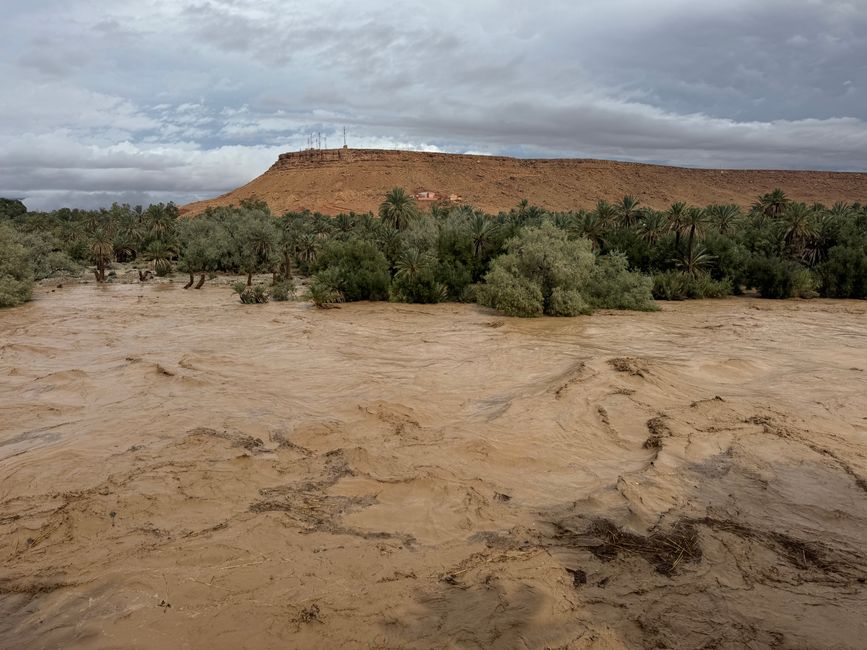
Erosion is fundamentally a velocity problem. Water moving slowly absorbs into soil or flows without carrying particles. Water moving quickly dislodges soil and carries it downstream. The solution to erosion is controlling water velocity by intercepting runoff before it gains speed and directing it through a controlled drainage system rather than across your landscaping.
A swale is a shallow, gently sloped drainage channel that slows runoff and directs it toward a designated drainage outlet at a controlled velocity. Berms are low mounds of soil that redirect runoff flow away from vulnerable areas. Together, swales and berms reshape surface water flow patterns without underground infrastructure, making them a cost-effective first line of erosion control for many properties.
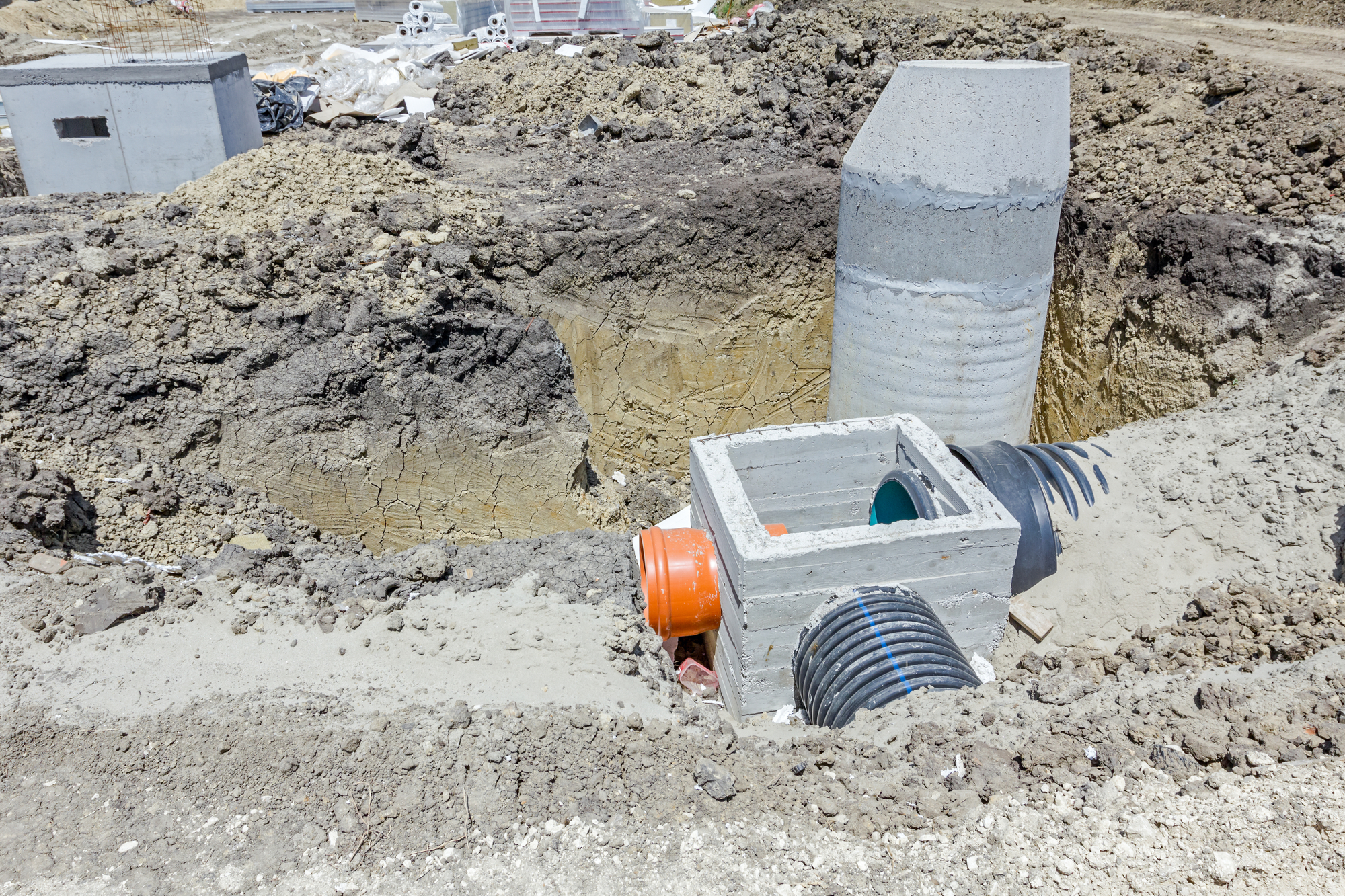
Installing French drains across the path of runoff before it reaches a slope or vulnerable landscape area intercepts the water and carries it away underground before it can gain erosive velocity. This approach is particularly effective when runoff from adjacent properties or from higher ground is contributing to your erosion problem.
Positioning catch basins at low points where runoff naturally concentrates captures fast-moving water at the point where it would otherwise begin cutting channels in the soil. By capturing the water at the low point and directing it underground, catch basins eliminate the erosive flow that would otherwise continue across the landscape.
Roof drainage concentrated at downspout discharge points creates intense, localized erosion wherever it terminates. Extending downspouts away from the house, ideally through underground piping, eliminates one of the most common erosion sources in residential landscaping. Our guide on downspout drainage solutions covers the options for managing concentrated roof runoff effectively.
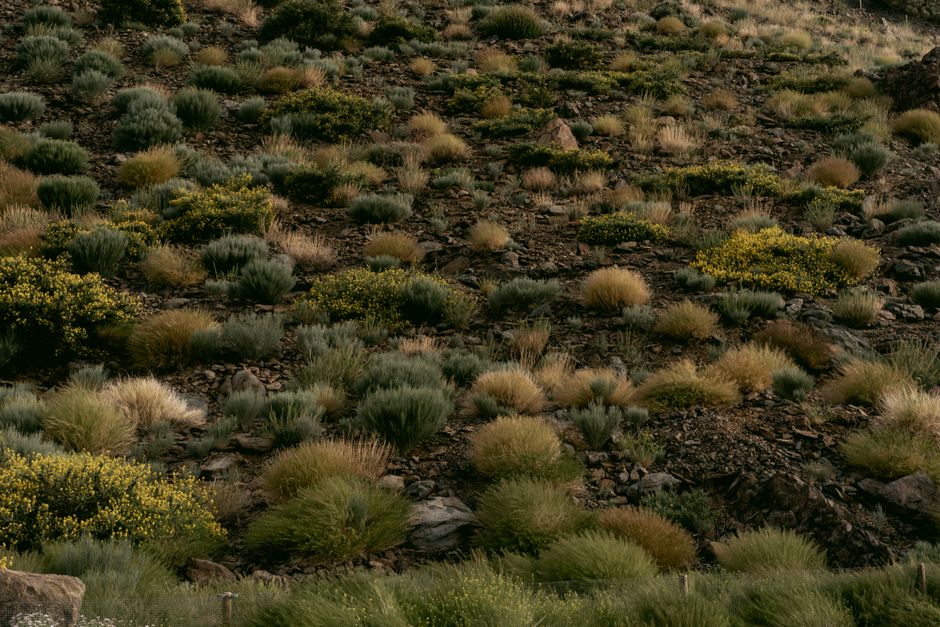
Drainage improvements control the water. Stabilization measures protect the soil surface until vegetation can establish. Erosion control fabric, also called landscape fabric or geotextile, holds soil in place on bare areas while grass seed germinates or ground cover plants establish. Mulch applied at 2 to 3 inches depth protects soil from direct rain impact and slow-release nutrient delivery encourages rapid plant establishment.
Ground cover selection matters in New Orleans. Choose plants proven to tolerate both flooding and drought, because New Orleans soil can be saturated one week and dry the next. Native ground covers like liriope, mondo grass, and native ferns establish quickly, tolerate our climate extremes, and develop the dense root systems that provide long-term erosion resistance.
Many erosion problems trace back to improper slope: ground that directs water toward problem areas at too steep an angle, or flat areas that concentrate water until it overflows with erosive force. Regrading addresses these slope problems at the source. Our guide on yard grading and re-sloping explains how slope correction and drainage work together to eliminate both flooding and erosion from New Orleans properties.
TurnKey Drainage designs and installs comprehensive erosion control and drainage systems throughout the New Orleans metro area. Our landscape drainage services include grading, swale design, French drain installation, catch basin systems, and downspout drainage that protect your landscaping investment from storm damage. Call us at (504) 608-4832 or visit our contact page to schedule a free property assessment. Explore our full drain services to see the complete range of protection we provide.
When water flows across your yard with too much velocity, it dislodges soil particles and carries them away, a process called erosion. In New Orleans, the combination of intense rainfall, slopes created by levee systems and road crowning, and fine alluvial soil creates ideal conditions for rapid erosion whenever drainage channels that flow are not properly managed.
Ground covers with dense root systems are most effective: mondo grass, Asian jasmine, liriope, and native Louisiana plants like muhly grass and wild ginger. Established native plantings stabilize soil rapidly and tolerate New Orleans flooding conditions better than many ornamental alternatives. Combine plants with proper grading and drainage for best results.
Yes. A French drain reduces erosion by intercepting water before it gains the velocity needed to dislodge soil particles. By capturing both surface runoff and subsurface water and routing it through a controlled pipe system, French drains eliminate the uncontrolled flow that causes erosion in the first place.
Combine vegetation, erosion control fabric, and drainage improvements. Plant ground cover with dense roots to stabilize the soil surface. Install erosion control fabric on bare areas while plants establish. Add a swale or French drain to intercept runoff before it gains velocity on the slope. If the slope is steep, terracing with retaining walls and drain systems provides the most permanent solution.
Yes. When erosion removes soil from around your foundation, it eliminates the lateral support that holds your slab or piers in position. In New Orleans soft alluvial soil, foundation erosion can lead to settling, cracking, and structural displacement. Protecting soil around your foundation from erosion is a critical component of long-term structural maintenance.
The most effective approach combines terracing or regrading to reduce slope angle, dense ground cover planting for root stabilization, erosion control fabric on exposed soil, and a drainage system that intercepts runoff before it gains erosive velocity. TurnKey Drainage designs comprehensive solutions that address all these factors together.


 Turnkey Drainage